

London, November 20, 2025
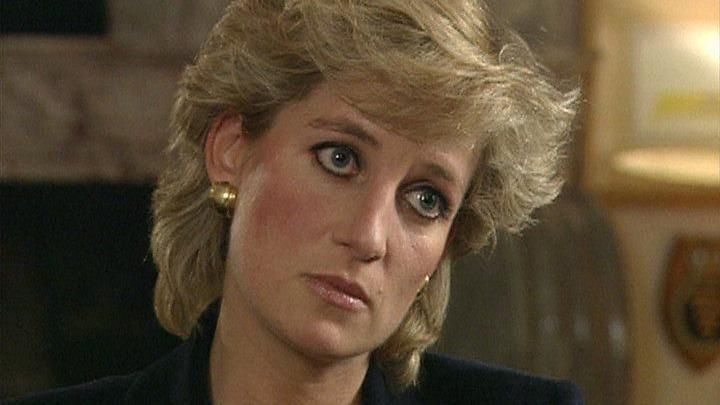
A new book published today exposes how former BBC journalist Martin Bashir used concrete deception to secure Princess Diana’s 1995 Panorama interview, revealing forged documents, false claims, and alarming safety concerns raised by the princess before the broadcast.
Deceptive tactics uncovered
Andy Webb’s Dianarama: The Betrayal of Princess Diana details how Martin Bashir employed what is described as “mafia-style trickery” to manipulate Diana and her brother, Earl Spencer. Bashir fabricated bank statements to suggest illicit payments to a former employee of Earl Spencer, a tactic aimed at sowing paranoia and gaining access to the princess. These forged documents and false claims were pivotal in securing the interview.
False allegations and manipulation
The book reveals that Bashir fed Diana sensational and baseless information, including claims that Prince Edward had AIDS and that Prince Charles had a clandestine affair resulting in a pregnancy and abortion involving the royal nanny, Tiggy Legge-Bourke. Contrary to popular understanding, Diana’s statement about “three in the marriage” referred to this alleged affair, not to Camilla Parker-Bowles.
Premonitions of harm
Significantly, Webb’s book uncovers a memo Diana instructed her lawyer to draft days before the interview, in which she expressed fears of being harmed, potentially in a staged car crash. This document reveals Diana’s acute awareness of personal risk prior to Panorama’s airing.
Impact on Diana’s life course
The book argues the interview set Diana on a perilous path that contributed to distancing her from trusted advisors and ultimately led to her fatal car accident in 1997. Webb suggests Bashir’s deceptions, coupled with institutional cover-ups, had deadly consequences.
Context and investigative findings
The revelations build on internal BBC investigations and Lord Dyson’s 2021 report, confirming Bashir’s use of forgery and deceit. Dianarama draws extensively on interviews, archival reports, and testimonies from those involved in these investigations, offering a comprehensive and original account of one of the most scrutinized moments in modern British history.
This new evidence prompts renewed reflection on the responsibilities of media institutions and individuals in handling vulnerable public figures and raises questions about the legacy of the interview and its broader impact on the royal family and public trust.