

London, November 21, 2025
The Liberal Democrats have announced plans to force a parliamentary vote compelling the UK government to immediately begin negotiations on establishing a new bespoke UK-EU Customs Union, aiming for implementation by 2030 to alleviate trade barriers and stimulate economic growth.
Economic Rationale and Trade Impacts
The Lib Dems argue that the current Conservative Brexit deal has created significant red tape and trade barriers between the UK and the EU, the UK’s largest trading partner. These obstacles have weakened the UK economy. By negotiating a new customs union, the party estimates the government could unlock approximately £25 billion in annual revenue for the exchequer through streamlined trade processes and reduced friction for businesses.
Political Developments and Party Positioning
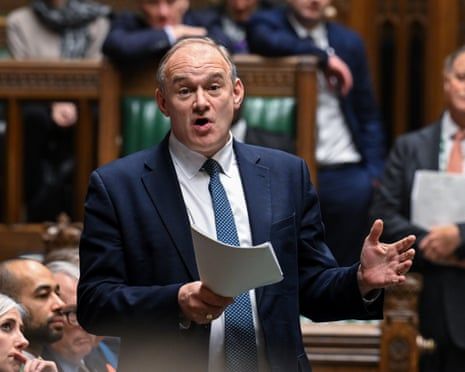
At their Autumn 2025 conference, the Liberal Democrats passed a policy motion urging immediate government action to open talks on a new customs union with the EU. Party leader Ed Davey stressed the urgency, citing global trade tensions and geopolitical instability as factors magnifying the need to “turbocharge our economy” through stronger EU ties. The plan targets agreement by 2030 at the latest.
Wider Strategic Aims
The customs union effort forms part of a broader Lib Dem vision to rebuild and deepen UK-EU relations. This includes prospects for eventually rejoining the EU Single Market, expanding youth mobility schemes across Europe, and enhancing cooperation in defence industries. These steps also seek to reduce the UK’s strategic dependence on unpredictable international actors and better address emerging security threats from Russia.
Government Response and Criticism
While the Labour government has made some progress at the May 2025 Reset Summit to improve UK-EU relations, the Liberal Democrats argue that these measures lack sufficient ambition and speed. The Lib Dems’ move to force a parliamentary vote aims to compel the government to escalate efforts and commit to meaningful negotiations on the customs union swiftly.
As the UK navigates its post-Brexit economic and geopolitical landscape, the Lib Dems’ push reflects escalating pressure among political actors to reverse some Brexit-related economic disruptions and renew the country’s vital partnership with the European Union. The 2030 deadline underscores the urgency perceived by proponents to secure a deal that can stabilize trade and foster long-term growth.