

London, November 21, 2025
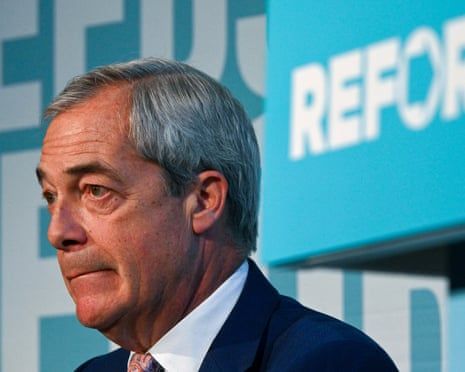
Nigel Farage faces allegations of racist conduct during his teenage years at Dulwich College, as reported by The Guardian on November 18, 2025. Former classmates accuse the Reform UK leader of using racial slurs and performing Nazi salutes, raising questions amid his ongoing political prominence.
Details of the Allegations
The allegations against Nigel Farage relate to conduct approximately 45-50 years ago during his attendance at Dulwich College, an elite public school in London. According to The Guardian, multiple former pupils have come forward claiming Farage engaged in racist behaviour as a teenager. One pupil from a minority ethnic background recounted an incident when Farage, at 17, asked his origin and then pointed away, commenting: “That’s the way back.” Other former students described Farage as provocative and attention-seeking, though not all specifically recalled racist language.
Political Reactions
The resurfaced accusations have drawn swift political attention. UK Prime Minister Keir Starmer publicly demanded that Farage address what he called “disturbing” allegations of racism from his school days. Starmer questioned Farage’s past silence on the matter and urged him to show contrition if the claims are accurate. The issue has sparked debate about whether historical conduct should influence current assessments of public figures’ suitability for leadership roles.
Farage and Reform UK’s Response
Nigel Farage has categorically denied the allegations through his spokesperson, emphasizing the lack of primary evidence and the questionable timing of the claims. The spokesperson highlighted that no such accusations emerged during Farage’s active political career, including his leadership of UKIP, his parliamentary election campaigns in 2010, 2015, and 2019, or during the Brexit referendum campaign. Reform UK issued an official statement calling the allegations “entirely without foundation” and criticised The Guardian for failing to provide any contemporaneous records or corroborating evidence to support decades-old recollections.
Broader Context and Implications
This controversy underscores broader societal questions about the relevance and accountability of youthful misconduct in evaluating individuals in public office. The challenge remains in balancing the importance of addressing past injustices with ensuring fair scrutiny when evidentiary support is limited or absent. In Farage’s case, the absence of official documentation or witnesses outside selective former pupils complicates both public understanding and political response.
As this story develops, it raises critical considerations for politicians, the media, and the public on how historical behaviour—especially involving sensitive issues like racism—should be weighed against current conduct and leadership credentials. The unfolding discourse may contribute to evolving norms about transparency and accountability for past actions in political life.