

New York, November 21, 2025
The NBA trade deadline on February 5, 2026, sees contenders including the Milwaukee Bucks and Los Angeles Lakers facing critical decisions to strengthen their rosters for the playoffs. This urgency is driven by injuries, cap space constraints, and the strategic balance of winning now versus preserving future assets.
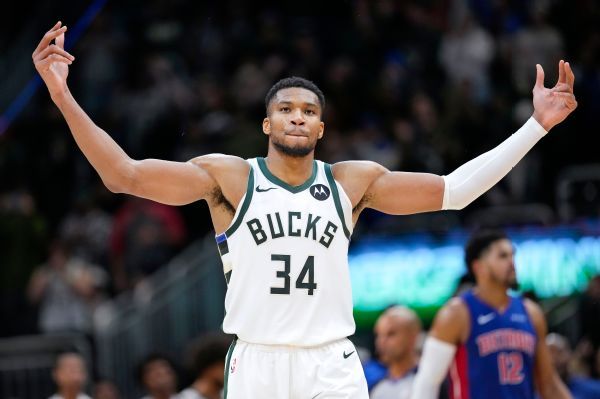
Bucks’ Urgency Amid Giannis Injury
The Milwaukee Bucks are under pressure as star player Giannis Antetokounmpo is expected to be sidelined for up to two weeks. This absence has exposed struggles, with the Bucks holding a record just above .500 and showing a negative point differential. The team’s defensive and rebounding ratings remain poor even when Giannis is healthy, heightening the need for roster reinforcement.
Milwaukee possesses more financial flexibility than in previous seasons and controls one first-round draft pick (either 2031 or 2032), pick swap rights, and several player contracts that could be leveraged in trades. However, they lack second-round picks and face challenges with salary-matching rules, limiting their trade options. While a blockbuster trade involving Giannis has surfaced in rumors—specifically a speculative scenario sending him to San Antonio for multiple young players and draft assets—no concrete moves have been confirmed. The team must weigh whether to invest its assets in immediate upgrades or risk a decline if Giannis’s injury lingers or affects his performance.
Lakers Navigate Salary Caps and Expirations
The Los Angeles Lakers approach the deadline with a different set of challenges. The team currently faces a hard salary cap near the luxury tax apron, restricting their ability to acquire players with significantly higher salaries (no more than $1 million additional in salary can be taken on). Yet, the Lakers have over $100 million worth of expiring contracts, including that of LeBron James, which could open nearly $50 million in cap space for the following offseason.
Balancing these financial realities, the Lakers aim to strengthen their roster without compromising future flexibility. Their strategy hinges on identifying specific roster needs that can be addressed within tight salary restrictions. The club’s front office is expected to exercise caution, avoiding trades that could hamper cap maneuverability after the current season ends.
Other Contenders’ Constraints
Other key playoff contenders such as the Golden State Warriors and New York Knicks also face trade deadline considerations. The Warriors maintain more flexibility in assets and cap space, potentially allowing more active engagement in trades. By contrast, the Knicks have limited financial flexibility and few draft assets, making major roster moves unlikely this deadline. These situations highlight the varied strategies across the league as teams position themselves for the postseason push.
Strategic Balancing Act Ahead of Deadline
The approaching trade deadline underscores the complex decisions NBA teams must make between pursuing immediate contention and preserving long-term potential. The Bucks’ situation is particularly urgent due to Giannis Antetokounmpo’s health concerns and the team’s defensive weaknesses. Meanwhile, the Lakers weigh hard salary cap limits against expiring contracts to maintain championship viability.
With less flexibility, teams like the Knicks must optimize existing rosters, while others such as the Warriors hold more leverage. The February 5 deadline will be pivotal in shaping the playoff landscape, revealing how these organizations manage their resources under pressure to enhance competitiveness.