

London, November 23, 2025
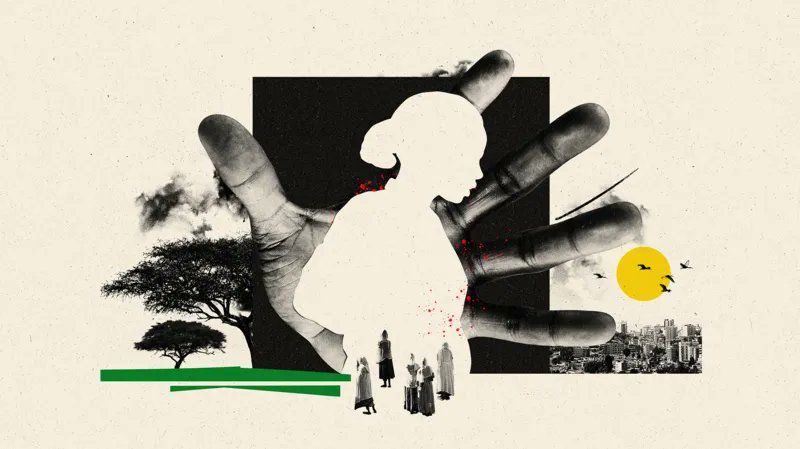
The ongoing conflicts in Sudan and Ethiopia are inflicting profound harm on millions of women, destroying healthcare access, exposing them to systematic sexual violence, and leaving many without crucial support during these forgotten wars.
Violence and Healthcare Collapse Affecting Women
In Sudan, the civil war between rival military factions since April 2023 has devastated communities, with 1.63 million women of reproductive age losing access to essential medical services. Patriarchal norms and absence of protective laws amplify these challenges, particularly for survivors of sexual violence who face nearly insurmountable barriers to receiving care. The destruction of healthcare infrastructure and ongoing insecurity have forced many aid providers to cease operations, deepening the crisis.
Similarly, Ethiopia’s protracted Tigray War—with over five million displaced and hundreds of thousands dead—has subjected women to widespread sexual atrocities, including forced incest, gang rape, and sterilizations. Survivors encounter a lack of medical and psychological care due to the destruction of clinics and limited humanitarian access, while underfunded local women’s groups struggle to fill the gap by operating safe houses and offering limited support.
Psychological and Social Trauma
Beyond the physical violence, the psychological toll on women is immense. Many survivors endure chronic post-traumatic stress disorder (PTSD) and other mental health conditions, compounded by scarcity of safe spaces and counseling. This trauma often becomes intergenerational, hampering community resilience and recovery long after active fighting ceases.
Women’s Role Amid Conflict and Neglect
Despite suffering disproportionately, women are often the primary agents of survival within their communities. They organize shelters, food distribution, and mental health support, and advocate internationally for their inclusion in peace negotiations, consistent with UN Security Council Resolution 1325. Yet, their voices remain marginalized in formal peacebuilding and political discussions, limiting long-term solutions that could address gender-specific trauma and needs.
Global Neglect and Implications
These forgotten wars continue to ravage women’s lives with little sustained international focus or effective policy intervention. Economic instability and cultural barriers further obstruct women’s access to necessary services and protection. Without comprehensive attention to women’s plight and active inclusion in post-conflict rebuilding, these regions risk perpetuating cycles of violence and hardship.
The devastating conditions faced by women in Sudan and Ethiopia underscore the urgent need for policymakers, global leaders, and humanitarian organizations to prioritize gender-responsive conflict resolution and recovery efforts. Addressing the intersection of violence, healthcare collapse, and social exclusion is critical to breaking the long-lasting impact of these often-overlooked wars.