

London, November 23, 2025
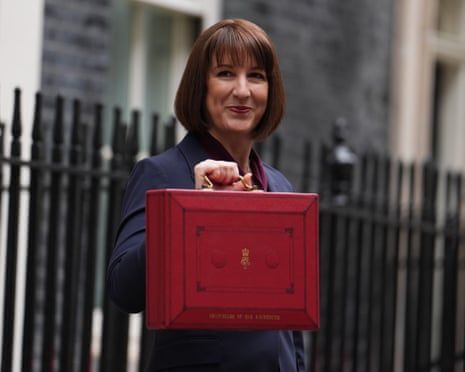
A former UK cabinet secretary has issued a stark warning that voters could abandon centrist parties if the government’s imminent budget fails to address growing public concerns about austerity and social welfare. The alert comes as the UK prepares for a budget expected to deepen cuts and increase military spending.
Planned Budget Triggers Concern
The UK government’s forthcoming budget announcement is poised to include further reductions in social programs alongside rises in defense expenditure. This approach risks intensifying public dissatisfaction amid a context of economic stagnation, rising inequality, and ongoing austerity measures.
Fragility of Centrist Parties
Centrist parties in the UK and across Europe are facing critical challenges as voter confidence wanes. Increasing numbers of citizens are shifting support toward both far-right and far-left alternatives, frustrated by stagnant wages and unfulfilled political promises. A failure by the budget to offer meaningful improvements could accelerate this shift.
Labour Party Under Pressure
Within the UK, the Labour Party, led by Keir Starmer, is contending with internal opposition over its austerity stance. Key policies such as cuts to disability payments and the heating supplement for the elderly have provoked warnings from former leaders Jeremy Corbyn and John McDonnell about potential party revolt.
Rising Alternatives and Political Polarization
The erosion of support for centrists is manifesting in gains for parties like Reform UK and the Greens. Issues including the two-child benefit rule, housing allowance inadequacies, and underfunded public services are driving voters toward these alternatives. Across Europe, parallels are evident with Germany’s AfD capitalizing on centrist weaknesses, particularly where balancing military spending with social welfare proves politically fraught.
Implications for Political Stability
The warnings underscore the vulnerability of mainstream parties to political fragmentation. Should the budget fail to meet voter expectations, the resulting erosion of centrist influence could deepen political polarization and complicate governance. Such a shift raises broader concerns about the stability of democratic institutions in the UK and Europe amid rising populist momentum.
The coming days will reveal whether the government’s fiscal strategy can stem voter disenchantment or if it will trigger a more profound realignment of the political landscape, with significant consequences for policymaking and societal cohesion.