

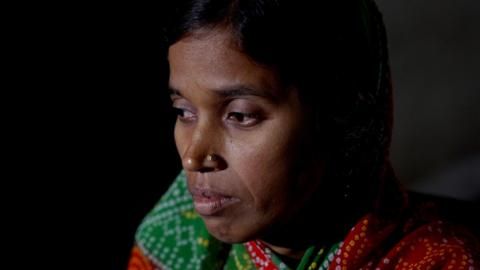
Patna, November 23, 2025
Bihar, India’s poorest state, continues to struggle with widespread illegal alcohol sales nearly a decade after a strict liquor ban was imposed in 2016, driven by a booming black market, rising health crises, and pervasive corruption that have undermined the ban’s original intentions to reduce alcohol abuse and domestic violence.
Illegal Alcohol Market and Economic Impact
The prohibition in Bihar has inadvertently spawned a vast illicit economy estimated to be worth ₹20,000 crore (approximately $2.4 billion USD) annually. Bootlegging operations, often run by criminal gangs, dominate this unregulated market, making law enforcement efforts challenging and frequently ineffective.
Health Risks and Social Consequences
Unregulated production and sale of spurious liquor have resulted in severe public health emergencies. Toxic substances like methanol often replace ethanol in illegally produced liquor, leading to repeated “hooch tragedies.” In recent years, more than 300 people have died from consuming contaminated alcohol, suffering blindness, organ damage, or death. These incidents disproportionately affect marginalized and impoverished communities that have historically relied on legal alcohol sales for their livelihood.
Impact on Marginalized Communities
The ban has had an acute adverse effect on lower-caste and marginalized groups, especially Dalits, who depended heavily on the legal alcohol trade before the prohibition. Deprived of lawful means of income, many have risked harsh legal penalties by turning to the production and sale of illicit liquor. This concentration of harm among the poor has exacerbated social inequalities and eroded trust in the criminal justice system.
Corruption and Enforcement Challenges
Enforcement of the ban has been marked by widespread corruption and arbitrary policing. Officials often focus their efforts on punishing the poor, while wealthier individuals maintain access to smuggled or imported alcohol. The selective enforcement undermines the law’s credibility and fuels resentment toward authorities, complicating efforts to address alcohol-related social problems comprehensively.
Judicial System Overload
The prohibition has also strained Bihar’s judicial infrastructure, with nearly 300,000 pending cases linked to liquor-related offenses clogging courts. This backlog hampers the timely delivery of justice, affecting not only those directly involved in liquor cases but also the broader legal system.
Political and Social Backlash
While initially popular, particularly among women voters due to a significant reduction in domestic violence, support for Bihar’s alcohol ban has weakened over time. Political opposition parties now advocate for revisiting or repealing the law, citing its failure to effectively curb alcohol abuse and its disproportionate negative impact on vulnerable populations.
Comparative and Historical Context
Bihar’s experience is not unique within India. Only a few states maintain full prohibition, whereas most depend on alcohol taxes for revenue. However, the availability of unregulated, illicit alcohol throughout India undermines the effectiveness of such policies. The state’s situation also parallels the United States’ Prohibition era in the 1920s, which similarly saw surges in organized crime, corruption, and public health crises despite intentions to improve social welfare.
Broader Implications for Policy
This ongoing crisis in Bihar highlights the complex trade-offs policymakers face when implementing prohibition. While reducing alcohol-related domestic violence meets a critical social objective, the unintended consequences—deepening poverty, empowering criminal networks, and causing preventable health disasters—call for a reevaluation. Evidence-based policies that address root causes, such as poverty and substance abuse treatment, could offer more sustainable solutions.
Bihar’s struggle underscores the need for inclusive reform that balances public health, social equity, and economic realities, moving beyond broad bans to nuanced strategies intended to protect and empower the most affected communities.