

London, November 23, 2025
Liverpool, Barcelona, and Juventus are confronting significant crises in the 2025-26 football season due to defensive weaknesses, tactical inconsistencies, and leadership challenges, undermining their performances in major leagues across Europe.
Liverpool’s Defensive Crisis and Leadership Void
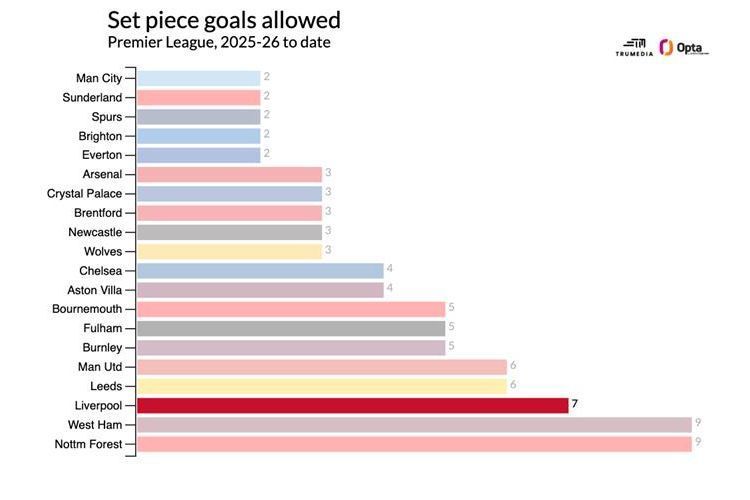
Liverpool’s decline is most pronounced in their defense, which has proven alarmingly fragile, conceding 18 goals in 11 league matches with only three clean sheets to date. The defensive lapses have been especially evident during set pieces and counterattacks, exposing systemic organizational issues. These vulnerabilities have contributed to the team’s fall to eighth in the league standings, a significant drop from their usual title-contending positions. High-profile defeats such as 3-0 losses to Manchester City and Nottingham Forest underscore the severity of the situation.
Despite heavy investment exceeding €370 million in attacking reinforcements like Alexander Isak and Florian Wirtz, Liverpool’s offensive upgrades have failed to offset defensive shortcomings. Fitness setbacks and underperformance by these key signings have compounded the issue. Simultaneously, the team’s iconic pressing intensity has waned under manager Arne Slot, resulting in reduced turnover creation and less tactical discipline during transitions.
Off the field, emotional and psychological factors, including the summer loss of teammate Diogo Jota, have impacted team cohesion and leadership dynamics. Experts point to a critical need for Liverpool to restore defensive organization, rejuvenate pressing strategy, and solidify leadership roles to regain competitive stability.
Barcelona’s Tactical Instability and Possession Challenges
Barcelona, traditionally synonymous with controlling possession, are grappling with maintaining their stylistic identity under mounting pressure this season. Although the club boasts a wealth of promising young talent, tactical inconsistency has hampered their capacity to convert possession superiority into reliable results. This instability reflects unclear tactical roles assigned to players and a lack of collective mental resilience, particularly in high-stakes matches.
In response, analysts recommend a strategic recalibration focusing on midfield consolidation, disciplined execution of tactical roles, and optimized squad rotation to manage player fatigue and injuries. These changes aim to reinvigorate the team’s structural solidity and sustain competitiveness in domestic and European competitions.
Juventus’ Managerial Turmoil and Integration Challenges
Juventus finds itself mired in turmoil following the dismissal of coach Igor Tudor, exposing deeper institutional weaknesses tied to mismanagement and absence of coherent strategic direction over recent seasons. The club faces the pressing challenge of integrating new signings such as Loïs Openda, Jonathan David, Kenan Yildiz, and Francisco Conceição into a squad lacking clear tactical identity.
The disruption reflects a broader leadership deficit that has affected player morale and on-field performance, with poor defensive solidity and suboptimal shot quality plaguing the team. Counteracting this decline requires a renewed focus on stable managerial leadership, a clearly defined strategic vision, and enhancing player development pipelines to rebuild Juventus’s competitive foundations.
Common Underlying Issues and Recommended Remedial Measures
Although the difficulties of Liverpool, Barcelona, and Juventus manifest differently, several common themes emerge: the necessity for improved defensive frameworks, clearer tactical consistency, robust leadership, and effective integration of new personnel. Stabilizing defensive units remains paramount as all three clubs have conceded an untenable number of goals undermining their success.
Equally important is leadership revitalization, both at the coaching level and within team dynamics, to foster resilience and cohesive tactical execution. Moreover, enhanced injury management and squad rotation protocols are vital to sustaining performance levels and minimizing fatigue over a demanding season.
Psychological resilience training is advised to better equip players and staff to handle the mounting pressures of high-level competition and unexpected adversities. Emphasizing mental toughness and unity could catalyze needed cultural shifts within these clubs.
The 2025-26 season thus represents a critical juncture for these football giants, requiring concerted, informed interventions that restore their identities and competitiveness. Fixing defensive vulnerabilities, optimizing player integration, and reinforcing leadership structures stand as essential priorities if Liverpool, Barcelona, and Juventus are to recover and thrive in the demanding European football landscape.