

Belém, Brazil, November 23, 2025
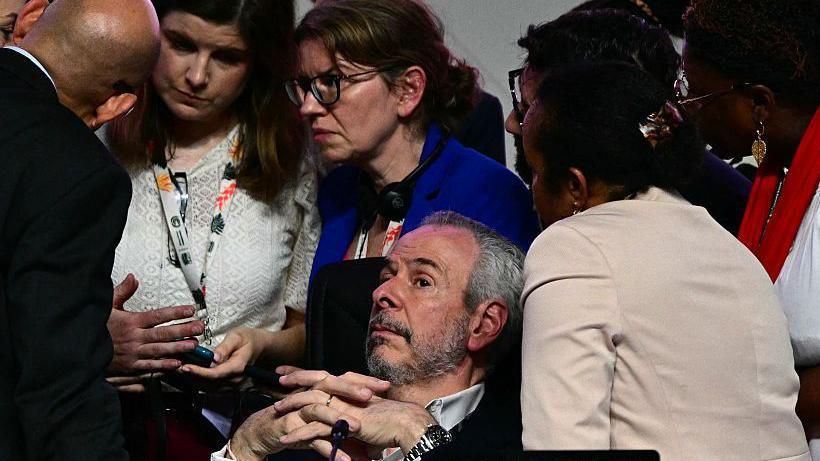
The 30th United Nations Climate Change Conference (COP30) concluded in Belém with mixed outcomes as nations pledged significant climate finance and progress in energy and agriculture while facing sharp divisions over fossil fuel phase-out and ongoing concerns about adaptation funding. The summit highlighted urgent challenges in aligning global action with the 1.5°C target.
Ambitious Climate Finance Commitments, But Gaps Remain
At COP30, a global coalition committed $1 trillion to triple renewable energy capacity by 2030, including $148 billion annually dedicated to grid and storage infrastructure. Additionally, over $9 billion in investments targeted regenerative agriculture, benefiting 12 million farmers across more than 110 countries and restoring over 210 million hectares.
Despite these commitments, many developing nations expressed dissatisfaction with the insufficient focus on climate finance for adaptation and loss and damage. Wealthier countries were criticized for narrowing their pledges primarily to energy and labor sectors, leading to concerns that vulnerable populations remain underfunded.
Progress on Energy, Agriculture, and Resilience
The summit saw notable advancements across sectors. Utilities pledged stronger commitments to clean energy, supporting the expansion of reinforced grid ecosystems. Regenerative agriculture initiatives showed measurable impacts on food security and land restoration efforts.
Cities and regions collectively reduced 850,000 tonnes of CO₂ in 2024, supported by emerging finance platforms aiming to engage 200 cities by 2028. These developments signal a growing momentum at subnational levels for climate resilience and sustainable infrastructure improvements.
Deep Divisions Over Fossil Fuel Phase-Out
More than 80 countries advocated for a definitive roadmap to phase out fossil fuel use, but opposition from wealthier nations diluted the final agreement. This resistance weakened the broader ambition for a just transition, leaving many observers disappointed about the long-term implications for meeting critical emission reduction targets.
Critics argue that the lack of a unified fossil fuel exit strategy risks undermining global climate goals, highlighting a persistent fracture between developing and developed nations on climate responsibility and equity.
Indigenous Rights and Equity at the Center of Debate
COP30 underscored the importance of centering Indigenous rights in climate negotiations and ensuring equitable representation. However, concerns remain regarding the influence of lobbyists and the exclusion of marginalized voices, which threatens to widen the gap between climate rhetoric and substantive action.
The summit brought renewed attention to the need for transparent and inclusive participation to align climate policies with social justice and human rights frameworks.
Implementation Gap and the Urgency of Action
Despite showcasing promising real-world climate initiatives, current Nationally Determined Contributions (NDCs) from 113 countries project only a 12% emissions reduction by 2035, falling short of the 1.5°C warming target. Key issues such as climate finance, adaptation measures, and accelerated emissions cuts remain contentious, delaying critical progress.
COP30 highlighted the pressing need for stronger commitments and enhanced stakeholder engagement to bridge the widening gap between climate promises and effective implementation. The summit’s outcomes reveal both progress achieved and profound systemic challenges requiring urgent global cooperation in the years ahead.