

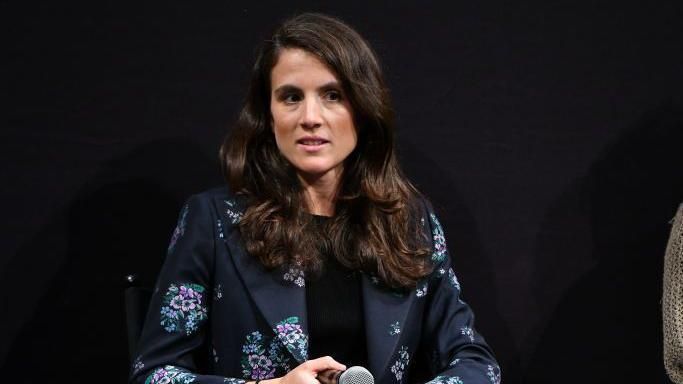
New York, November 23, 2025
Tatiana Schlossberg, granddaughter of President John F. Kennedy, has been diagnosed with terminal acute myeloid leukemia (AML) featuring a rare inversion 3 genetic mutation and given less than a year to live, a prognosis she publicly revealed in November 2025.
Tatiana Schlossberg’s Diagnosis and Prognosis
Schlossberg, aged 35, announced she is battling terminal AML with a rare and aggressive genetic mutation known as inversion 3. This mutation, typically found in older adults, is associated with poor outcomes and complicates treatment efforts. Despite undergoing aggressive therapy, medical professionals have estimated her survival at under a year.
Medical Context of Acute Myeloid Leukemia
Acute myeloid leukemia is a cancer originating in the bone marrow, characterized by rapid proliferation of abnormal white blood cells which impede normal blood functions. The inversion 3 mutation is particularly uncommon in young patients but known for its adverse effect on prognosis and therapeutic options.
Discovery and Treatment Efforts
Schlossberg’s cancer was initially detected through routine post-pregnancy blood tests, as she had no overt symptoms at the time. She has since engaged in intensive treatment protocols, though the prognosis remains bleak given the mutation and disease progression.
Family History and Public Disclosure
Her disclosure came via a deeply personal essay titled “A Battle with My Blood,” published in The New Yorker on November 22, 2025—the 62nd anniversary of President Kennedy’s assassination. Schlossberg reflected on the new personal tragedy amidst her family’s historic losses, including the assassinations of her grandfather, President John F. Kennedy, and uncle Robert F. Kennedy, as well as the deaths of JFK Jr. and her grandmother Jacqueline Kennedy Onassis.
Background and Public Impact
Known as an environmental journalist and author, Schlossberg’s revelation has drawn widespread attention, underscoring the human dimension behind a prominent public figure. Her openness highlights the challenges faced by younger adults with rare leukemia mutations and adds a poignant chapter to the Kennedy family narrative of resilience amid hardship.
Her courage in sharing this diagnosis publicly serves to increase awareness of AML and the rare genetic factors that affect treatment outcomes, informing both the medical community and the public about this serious health condition.