

London, November 27, 2025
The functional coffee market is rapidly expanding into mainstream high street cafés worldwide by late 2025, driven by rising consumer demand for health-enhancing beverages and significant industry investment in innovative product offerings. This shift reflects changing consumer preferences and represents a major transformation in the coffee sector.
Market Growth and Consumer Demand
Functional coffee’s market value is projected to reach US $4.45 billion by 2029, supported chiefly by millennial and Gen Z consumers seeking more than caffeine, aiming instead for added health benefits in their daily coffee rituals. This demographic shift is accelerating growth in the global health and wellness coffee market at an estimated 6.8% per year, aligning with a broader functional beverage sector growth rate of 6.9%.
What Constitutes Functional Coffee?
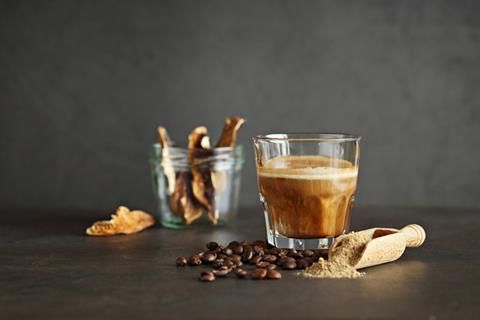
Functional coffees are enhanced beverages formulated with ingredients intended to provide specific health benefits beyond caffeine. These include adaptogens and nootropics for improved mental focus and stress relief; protein to support nutrition; collagen for skin and wellness; mushroom extracts to enhance immunity; CBD for relaxation; plant-based milk alternatives catering to dietary preferences; and probiotics aimed at digestive health. This array of additives allows consumers to combine traditional coffee enjoyment with wellness objectives.
Mainstream Industry Adoption
Leading coffee brands are integrating functional coffee into their primary menus to capture emerging trends. Notably, Starbucks introduced protein lattes and protein cold foam products across North America, with protein content up to thirty grams in a grande serving, redefining consumer expectations. Cold brew coffee has emerged as the flagship format for delivering functional ingredients, particularly in ready-to-drink products favored by younger demographics and available in health-centric retail outlets.
Operational Challenges for Coffee Roasters and Retailers
Despite promising market opportunities, operational pressures present significant challenges. Since early 2025, green arabica coffee prices have more than doubled, while rising logistics and operational costs have compressed profit margins. Maintaining product quality amid these cost pressures has become essential for sustainable success in a competitive environment that increasingly values premium offerings and functional innovation.
Consumer Trends Highlight Transparency and Customization
A marked increase in consumer demand for ingredient transparency is reshaping product development and branding strategies within the sector. Consumers now commonly expect health-enhancing additions in their coffee and scrutinize product sourcing and hygiene standards. Gen Z, possessing considerable spending power, drives this demand for customization and wellness-focused choices, positioning these factors as critical for coffee businesses aiming to remain competitive.
Regulatory Considerations and Evidence-Based Formulations
The evolving intersection of consumer health consciousness and regulatory scrutiny is leading to new operational models, including private label solutions that enable rapid deployment of shelf-stable functional cold brews. Cafés are prioritizing hygiene-first branding and investing in clean equipment and transparent, evidence-based product development to meet rising expectations for product safety and efficacy.
Emerging Trends and Industry Outlook
Three core trends — luxury, wellness, and permissible indulgence — are converging to shape the future trajectory of coffee consumption. Functional coffees offer a unique opportunity to deliver these simultaneously, supported by a growing body of evidence-based production and formulation methodologies. While traditional espresso-based drinks continue to anchor beverage menus, they are increasingly complemented by sophisticated functional alternatives designed to align with evolving consumer lifestyles and wellness regimes.
This ongoing transformation underscores the imperative for coffee industry stakeholders to innovate and adapt strategically. Embracing functional coffee is no longer optional but essential for maintaining relevance and competitive strength in 2025 and beyond.