

New York, November 28, 2025
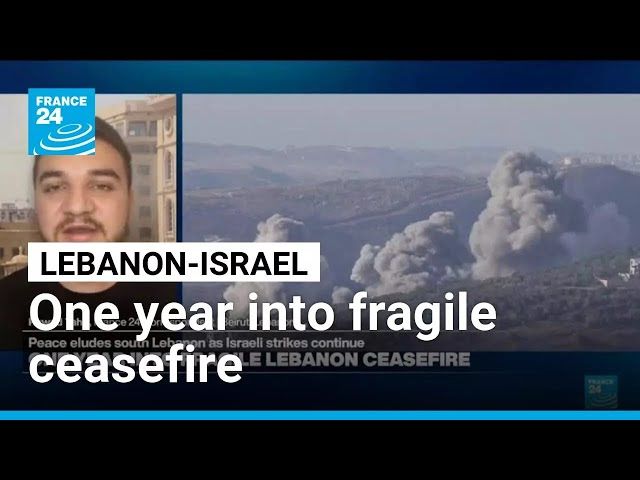
One year after the ceasefire between Israel and Lebanon took effect on November 27, 2024, Israeli forces continue to violate Lebanese territory nearly daily, resulting in civilian casualties and escalating tensions in southern Lebanon. These breaches include airstrikes, ground incursions, and maritime violations along the Blue Line border.
Israeli Violations and Civilian Impact
According to the United Nations Interim Force in Lebanon (UNIFIL), Israeli forces committed close to 10,000 violations of Lebanese air, land, and sea domains in the past year. These include more than 7,500 airspace violations and around 2,500 ground incursions. Israeli airstrikes numbered over 500 within ten months, causing the deaths of at least 108 civilians, including 16 children.
A significant and deadly incident occurred on November 18, 2025, when an Israeli drone strike targeted the Ain al-Hilweh Palestinian refugee camp, killing at least 14 people. This attack marked a notable escalation in the conflict and drew international condemnation.
Territorial Occupation and Border Tensions
Israeli troops maintain control of five positions inside Lebanese territory beyond the internationally recognized Blue Line, including strategic zones such as Shebaa Farms. This continued occupation heightens instability along the border, undermining peace efforts.
UN and Human Rights Concerns
United Nations agencies and human rights experts have condemned Israel’s recurrent violations as breaches of UN Security Council Resolution 1701, which demands the cessation of hostilities and respect for Lebanese sovereignty. The ongoing military actions have inflicted widespread damage on civilian infrastructure and agriculture, severely hampering reconstruction efforts estimated at $11 billion.
Hezbollah’s Continued Militarization and Diplomatic Stalemate
Despite the ceasefire, Hezbollah remains armed and active in southern Lebanon. Israel has not succeeded in disarming the group, complicating the security environment. The absence of direct diplomatic negotiations between Lebanon and Israel contributes to the fragile and volatile ceasefire. Analysts warn this dynamic raises the risk of renewed conflict, contingent on Hezbollah’s response to persistent Israeli violations.
Calls for Accountability and Investigations
The United Nations has urged impartial investigations into Israeli strikes, especially those affecting civilians and refugee camps. Accountability measures are deemed essential to prevent further escalation and to uphold international legal norms.
The evolving situation in southern Lebanon, marked by continued Israeli military operations and unaddressed Hezbollah armament, underscores a precarious peace. Without concerted diplomatic intervention and adherence to international resolutions, the risk of a broader regional conflict remains high.