

London, November 28, 2025
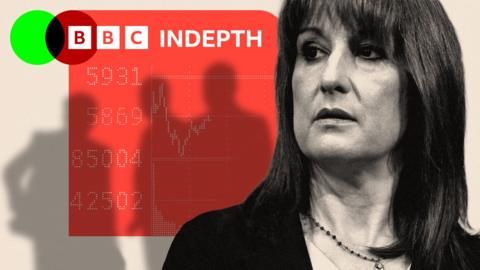
Chancellor Rachel Reeves has announced £26 billion in tax increases in her 2025 Budget to fund expanded welfare spending and maintain economic stability without austerity measures. These changes aim to support public services and raise national revenue while avoiding sharp tax hikes or reckless borrowing.
Funding Welfare and Avoiding Austerity
The primary rationale behind the tax rises is to finance a significant expansion in welfare spending, projected to increase by £15 billion. This includes scrapping the two-child benefit cap, a key manifesto pledge that added to the government’s fiscal commitments. Reeves’ approach focuses on spreading the tax burden through a series of smaller increases combined with freezing thresholds, rather than implementing sweeping single tax hikes or cutting public expenditure aggressively. The goal is to ensure “fair taxes, strong public services, and a stable economy,” steering clear of austerity.[2][3]
Key Tax Measures Driving Revenue
The 2025 Budget relies on multiple revenue-generating mechanisms. A central feature is the extension of income tax and National Insurance threshold freezes for three more years until April 2031. This fiscal drag will gradually increase the number of taxpayers paying higher rates. Additionally, a mansion tax targeting properties valued over £2 million will be introduced, with annual charges starting at £2,500 and rising to £7,500 for homes worth £5 million or more.
Other notable measures include a £2,000 annual cap on pension contributions under salary sacrifice schemes, expected to raise £4.7 billion, and a reduction in Individual Savings Account (ISA) limits from £20,000 to £12,000 for individuals under 65. The budget also imposes a 3 pence per mile tax on electric vehicles and increases betting duty rates.[1][2]
Economic Impact and Taxpayer Effects
These collective measures will elevate the UK’s tax intake to an unprecedented 38% of national income by 2030-31. By that time, nearly one in four taxpayers will be liable for the higher rate of income tax. This budgetary strategy means a typical middle-class household with two earners could face an estimated £1,600 increase in tax payments over two years due to the threshold freezes combined with pension contribution changes.[1][2]
Reeves’ budget signals a shift toward a more sustained, gradual revenue increase rather than abrupt fiscal tightening or deficit-financed spending. This has sparked discussions about long-term affordability for households and the broader implications for economic growth.
The government’s decision to maintain frozen personal tax thresholds rather than raising them in line with inflation effectively means many taxpayers will see a real-terms increase in tax rates, a mechanism often described as “fiscal drag.” This approach aims to raise substantial revenue without the political backlash of increasing headline tax rates.[2]
As the UK tax burden rises to historic levels, the Chancellor emphasizes the balance between funding critical public services and ensuring fiscal responsibility. The full effects of these policies will unfold over the coming years, shaping the economic landscape for individuals and businesses alike.