

London, November 28, 2025
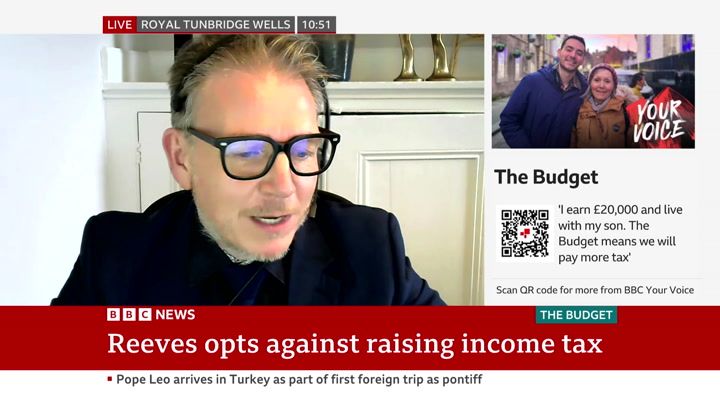
Individuals earning £20,000 annually, who live with their adult dependents, are projected to face increased tax liabilities following the UK Autumn Budget 2025 due to the freezing of income tax thresholds and adjustments in savings and dividend tax rates set to take effect over the coming years.
Frozen Income Tax Thresholds and Fiscal Drag
The Budget confirmed that key income tax thresholds, including the personal allowance and basic rate limit, will remain frozen at current levels until 2031. This policy means that, despite no increase in nominal income, a larger portion of earnings could be taxed at higher rates over time—a phenomenon known as fiscal drag. For earners on £20,000, this will gradually translate into a higher effective tax rate.
Changes to Savings and Dividend Tax Rates
From April 2026, the tax rates applied to savings income and dividends will increase. Basic taxpayers will see savings income tax rates rise from 20% to 22% and dividend tax rates from 8.75% to 10.75%. While these changes mainly impact those with investment income, individuals with any savings or dividends will experience an additional tax burden.
National Insurance Thresholds Remain Unchanged
Though the Budget did not introduce immediate changes to National Insurance thresholds, these remain frozen until 2031 as well, further contributing to increased effective taxation over time for low- and middle-income earners.
Implications for Income Earners and Households
For taxpayers earning around £20,000 per year, like those living with non-working dependents, these measures mean a steady increase in tax payments in real terms despite stagnant wages. The Budget sets a clear trajectory for increased tax contributions, although no immediate changes take effect before April 2026.
Impact on Dependent Family Members
Dependents who do not have their own income, such as the son in this scenario, will not face direct tax consequences from these policies. The Budget’s adjustments primarily affect the income earner’s personal tax situation.
The Autumn Budget 2025 reflects the government’s ongoing fiscal strategy of freezing thresholds, which over time raises tax receipts without formally increasing tax rates. This approach will place a greater financial strain on typical earners and households in the medium term, emphasizing the need for taxpayers and policymakers to anticipate the gradual increase in taxation pressure.