

Bissau, Guinea-Bissau, November 28, 2025
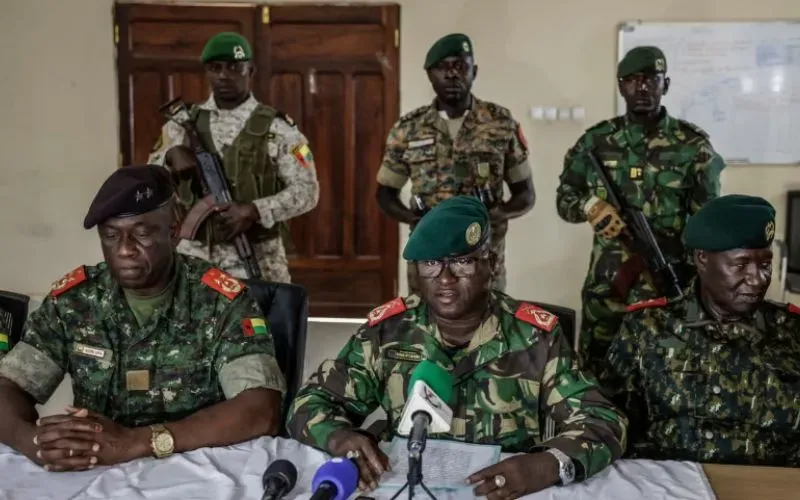
A military coup unfolded in Guinea-Bissau on November 26, 2025, when soldiers led by Brigadier General Dinis Incanha seized control, arresting President Umaro Sissoco Embaló amid a disputed election and alleged plans to destabilize the country.
Military Operation and Control
The military launched a coordinated takeover across key locations in Guinea-Bissau’s capital, Bissau, with armed soldiers swiftly occupying government buildings. Gunfire was reported outside the presidential palace and at the interior ministry and National Electoral Commission, prompting civilian evacuations. The soldiers declared full control over the country, arrested President Embaló, and announced the suspension of all political institutions, media outlets, and the ongoing electoral process.
An indefinite overnight curfew was imposed, and international borders were closed as the military consolidated its authority. The new ruling body, titled the “High Military Command for the Restoration of National Security and Public Order,” includes representatives from all branches of the armed forces and is tasked with governance until further notice.
Election Crisis and Timing
The coup’s timing was critical, occurring just one day before the official announcement of the November 23 general election results. The country had been in political turmoil, with both the incumbent president and his challenger claiming victory. President Embaló had effectively been governing without a legitimate constitutional mandate due to expired deadlines, adding to the nation’s instability.
This precarious situation heightened tensions within Guinea-Bissau’s fragile democratic framework and contributed to the military’s intervention.
Military Justifications and Information Restrictions
Military leaders justified the takeover by citing the discovery of a purported conspiracy involving politicians, foreign actors, and a known drug lord intended to manipulate the election and destabilize the country. Guinea-Bissau’s longstanding challenges as a hub for drug trafficking in West Africa frame these assertions within broader security concerns.
In tandem with the takeover, the military moved to restrict information flow. Reports indicate attempts to sever the country’s internet access, limiting communication and media operations.
The situation remains fluid as the military governs under the newly formed command structure, with international observers closely monitoring developments given Guinea-Bissau’s strategic and political significance in the region.