

London, November 28, 2025
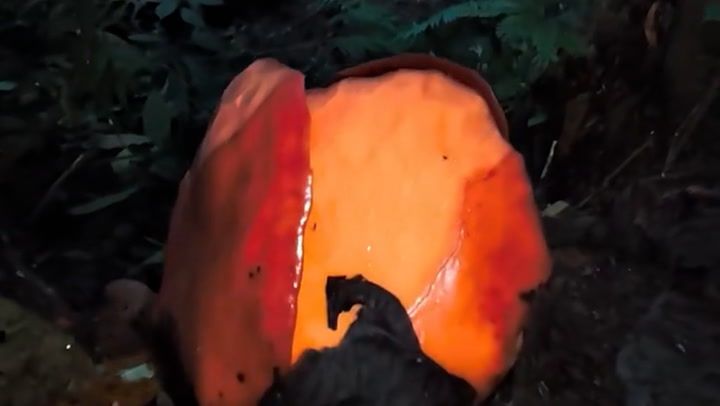
A team of researchers led by Indonesian flower hunter Septian ‘Deki’ Andrikithat and Dr. Chris Thorogood from the University of Oxford discovered the rare parasitic flower Rafflesia hasseltii in the Sumatran rainforest on November 20, 2025, marking the first confirmed sighting in over a decade and highlighting urgent conservation needs.
Details of the Discovery
The Rafflesia hasseltii is a parasitic plant known for its enormous bloom and distinctive foul odor, characteristics that make it both scientifically intriguing and ecologically significant. This elusive species had evaded scientific confirmation in the wild for more than ten years until the recent expedition deep in Indonesia’s Sumatra rainforest. The discovery culminated after a persistent 13-year search led by Septian Andrikithat, a renowned Indonesian flower hunter, alongside Dr. Chris Thorogood of Oxford. Upon locating the flower, Andrikithat was visibly overcome with emotion, underscoring the expedition’s monumental achievement.
Significance for Science and Conservation
This rediscovery provides critical insights into the biodiversity of threatened rainforest ecosystems. Rafflesia species are poorly understood, primarily due to their rare nature and remote habitats, which complicates research efforts. The confirmed presence of Rafflesia hasseltii opens avenues for expanded scientific study concerning its biology and ecological role. Such research is pivotal for informing conservation strategies aimed at preserving not only this rare species but also the complex ecosystems it inhabits.
The event has garnered international attention, partly due to viral video footage documenting the emotional moment of discovery. This exposure serves to raise global awareness about endangered plant species and the broader implications for biodiversity protection in rapidly diminishing rainforest environments.
Broader Context and Future Implications
The rediscovery of Rafflesia hasseltii emphasizes the need for sustained conservation policies that prioritize endangered flora in biodiversity hotspots like Sumatra. It also reflects the dedication of researchers who undertake long-term expeditions under challenging conditions. For policymakers and environmental stakeholders, such findings reinforce the urgency of allocating resources toward protecting fragile ecosystems that harbor undiscovered or rarely seen species.
As scientific interest grows around this find, it is expected to foster collaborative efforts between local and international conservation groups. The case of Rafflesia hasseltii illustrates both the complexity of rainforest ecosystems and the critical role of persistent field research in uncovering and safeguarding natural heritage.