

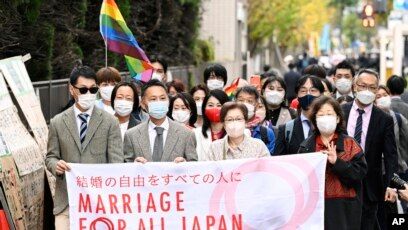
Tokyo, November 28, 2025
The Tokyo High Court ruled on November 28, 2025, that Japan’s ban on same-sex marriage is constitutional, upholding the government’s stance amid ongoing national legal challenges and increasing public debate on LGBTQ+ rights. The decision dismissed claims from same-sex couples seeking constitutional recognition and damages.
Court Ruling and Reasoning
The Tokyo High Court affirmed that under Japan’s current civil law, marriage is predominantly defined as a union between a man and a woman. The judges cited the rationality of defining family as a unit centered on a couple and their children. They concluded that this traditional definition does not violate the constitutional guarantees of equality under Article 14 or the marriage provisions outlined in Article 24. Additionally, the court dismissed requests for damages of ¥1 million per plaintiff sought by same-sex couples contesting the ban.
Wider Legal Context in Japan
This ruling is the last among six high court cases initiated since 2019 across various Japanese jurisdictions challenging the same-sex marriage ban. Unlike earlier rulings in cities such as Sapporo and Fukuoka, which found the ban unconstitutional, the Tokyo High Court upheld the legal status quo. All pending appeals are expected to be consolidated and reviewed by Japan’s Supreme Court, potentially delivering a definitive national judgment on marriage equality by 2026.
Public and Human Rights Response
The decision provoked a strong reaction from plaintiffs and advocacy groups. Plaintiffs expressed outrage and frustration, questioning whether their testimonies had been considered earnestly. Leading human rights organizations, including Amnesty International, condemned the ruling as a setback for equality and LGBTQ+ rights in Japan, emphasizing the need for legal reforms to address ongoing discrimination.
International and Domestic Significance
Japan remains the sole G7 country that does not legally recognize same-sex marriage, placing it at odds with prevailing global standards on LGBTQ+ rights. Despite the Tokyo High Court’s ruling, prior decisions by other high courts and growing public support for marriage equality suggest momentum toward reform. The Supreme Court’s forthcoming judgment is anticipated to be pivotal in shaping Japan’s legal and social landscape regarding marriage rights for same-sex couples.
As the issue advances to the highest judicial body, business leaders, policymakers, and international observers will be closely watching how Japan balances traditional legal interpretations with evolving demands for equality and inclusivity.