

London, November 30, 2025
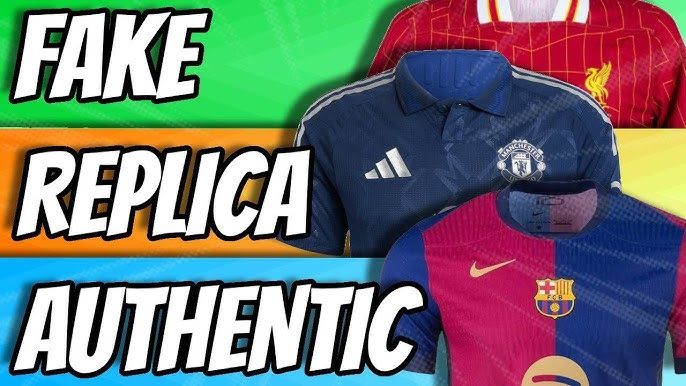
A growing number of consumers worldwide are purchasing counterfeit football jerseys, attracted by low prices, but the hidden costs extend well beyond affordability. These fake products, prevalent in global markets, pose significant health risks, financial losses, and ethical concerns as of late 2025.
Quality and Durability Problems
Counterfeit football shirts are marked by poor manufacturing standards. Buyers often discover that the fabric lacks breathability, seams are prone to tearing, and colors fade after just a few washes. Emblems and numbers detach quickly, drastically reducing the usable life of the jerseys compared to authentic versions, which can last for years. The initial monetary savings are therefore misleading, as frequent replacements become necessary.
Health and Safety Risks
Health implications from wearing fake jerseys have become a critical issue. Studies reveal that approximately one-third of counterfeit sports apparel contains hazardous chemicals such as heavy metals—arsenic, cadmium, and lead—and phthalates. These substances bypass regulatory safety standards and are completely absent from genuine products. Exposure to such toxins can cause skin irritation, allergies, and rashes; severer cases can necessitate medical intervention. Vulnerable groups, particularly children, face amplified risks due to their greater sensitivity to chemical contaminants.
Lack of Consumer Protection
Purchasing counterfeit jerseys typically means forfeiting consumer rights and protections. Many buyers experience nondelivery of goods, receive items that do not fit or are damaged, and cannot seek refunds or exchanges. Furthermore, transactions often occur via untrustworthy sellers, increasing the risk of scams involving financial data theft and outright fraud. The absence of reliable after-sales service exacerbates financial losses for unsuspecting consumers.
Legal and Ethical Issues
The trade and purchase of counterfeit football jerseys are illegal and contribute to sustaining organized crime and fraud networks. Although prosecution of individual consumers is infrequent, buying counterfeit goods indirectly supports criminal enterprises. The ethical dimension also involves undermining brands and legitimate businesses while promoting illicit market activities.
The cumulative consequences of reduced product lifespan, potential health hazards, absence of consumer recourse, and participation in illegal commerce illustrate that the real cost of cheap fake football jerseys far exceeds their purchase price. Awareness among consumers and stakeholders is paramount to mitigate these risks and encourage responsible purchasing decisions globally.