

New York, November 30, 2025
Federal taxes in the United States fund a wide range of essential services and social programs, with the 2025 federal budget highlighting key allocations towards Social Security, national defense, and healthcare as the nation faces increasing pressure from rising interest payments on the national debt.
Why Taxes Are Collected
Taxes constitute the financial foundation that enables governments—federal, state, and local—to operate and provide public goods. In the U.S., taxes support everything from administrative government functions and law enforcement to infrastructure such as roads and bridges. They also sustain vital social safety nets, including Social Security, Medicare, Medicaid, unemployment insurance, and food assistance programs.
Federal Budget Allocation
The 2025 federal budget distributes tax revenue across several major sectors. Social Security receives the largest share at 22%, funding retirement and disability benefits. National defense accounts for 15%, financing the military, intelligence agencies, and veterans’ programs. Payments on the national debt’s interest consume 14% of the budget, reflecting a growing fiscal challenge.
Healthcare programs, principally Medicare and Medicaid, also receive 14%, providing medical services primarily for seniors and low-income individuals. Safety net programs—such as unemployment benefits, food stamps, and housing assistance—represent 11%. The remaining 24% covers diverse categories including education, infrastructure, research, environmental protection, and international aid.
Sources of Federal Revenue
Approximately half of federal revenue originates from individual income taxes. Payroll taxes dedicated to Social Security and Medicare contribute around 30%, while corporate income taxes make up roughly 10%. Additional sources include customs duties, excise taxes, and various federal fees.
Budgetary Process and Spending Priorities
The federal budget process begins with the President’s annual proposal, followed by Congressional review, amendments, and approval. Budget spending is largely divided between mandatory and discretionary categories. Mandatory spending, including Social Security and Medicare, is governed by existing laws. Discretionary spending, which includes defense and education, is adjusted annually according to national priorities and fiscal conditions.
State and Local Government Taxes
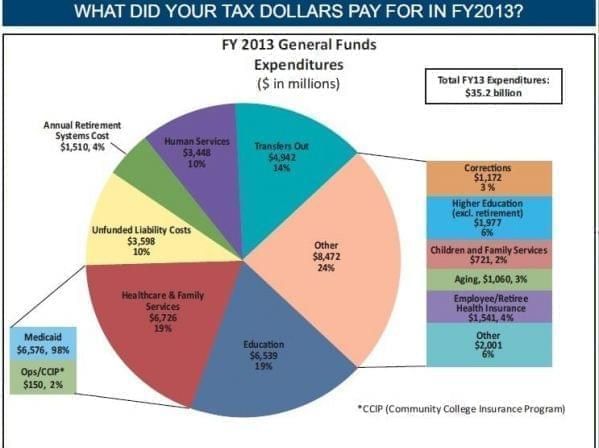
Beyond the federal level, state and local authorities levy taxes mainly to fund education, healthcare, public safety, and local infrastructure. Notably, over half of state and local expenditures concentrate on education and healthcare services for low-income populations.
Rising Interest Payments: A Growing Concern
One of the most pressing challenges in the current fiscal landscape is the increase in net interest payments on the national debt, consuming an expanding share of the federal budget. This trend constrains government flexibility, limiting resources available for other critical needs and investments.
Implications for Policy and Economic Stability
As 2025 progresses, debates intensify around tax fairness and government spending efficiency. Policymakers face the complex task of balancing immediate social safety requirements with the need for long-term investments in education, research, and infrastructure. Understanding how tax revenues are allocated offers a clearer perspective on the trade-offs involved in fiscal decision-making and the impact on national economic stability.
Informed citizens, business leaders, and academics alike must consider how evolving budgetary pressures and tax policies shape the nation’s trajectory, ensuring that tax systems remain sustainable while addressing societal needs.