

London, November 30, 2025
Nigeria is facing a deepening security crisis as kidnap gangs, jihadist groups, and separatist factions escalate attacks across multiple regions, leading to mass abductions, killings, and widespread instability throughout 2025. This wave of violence primarily affects northern and central states, disrupting civilian life and provoking international concern.
Key Armed Groups Driving Violence
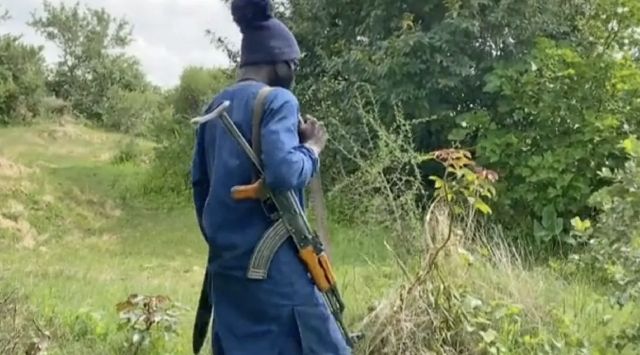
The crisis involves three main categories of actors. Kidnap gangs, often called “bandits,” operate mostly in north-west and central Nigeria, including Zamfara, Kaduna, and Niger states. These criminal groups rely heavily on ransom payments and are frequently linked to Fulani militia groups. Their tactics include targeting schools, churches, villages, and exploiting illegal mining and land conflicts.
Jihadist groups such as Boko Haram and the Islamic State in West Africa Province (ISWAP) continue to pose threats especially in the north-east states of Borno, Yobe, and Adamawa. They are known for mass kidnappings like the 2014 Chibok schoolgirls incident and have escalated attacks on Christian educational and religious institutions in recent years.
Separatist factions, though less prominent than bandits or jihadists, primarily active in the south-east, pursue political objectives and sometimes engage in violence and kidnappings, adding another layer to the complex security environment.
Recent Attacks and Mass Abductions
2025 has witnessed multiple large-scale abduction incidents. Notably, 13 teenage girls were kidnapped in Borno state, adding to a pattern of attacks targeting vulnerable civilians in schools and churches, including high-profile incidents in Kwara and other states. The kidnapping of students from St. Mary’s Catholic School has been seen as a tactic to embarrass the government and advance political or economic agendas.
The motivations behind these attacks vary but are centered largely around ransom payments, which have become an economic driver for both bandits and jihadists. Political destabilization, land control disputes, and religious or ethnic targeting also fuel the unrest. While victims come from all faiths, some attacks specifically target Christian communities, heightening international alarm.
Government and International Responses
The Nigerian government attributes recent attacks mainly to jihadist elements but has not yet presented definitive proof distinguishing these from local bandit activities. Experts remain divided on the precise actors responsible for the latest escalations.
Internationally, there is growing attention to the crisis. The United States and other global actors have voiced concern about the safety of Christian communities, though Nigerian officials emphasize that the violence affects people of all religions equally.
Humanitarian, Economic, and Global Security Impacts
The ongoing violence has precipitated a humanitarian crisis marked by significant casualties, displacement, and psychological trauma for affected populations. The targeting of schools and churches undermines education and religious life, eroding community frameworks.
Beyond human costs, economic development has suffered severely. Illegal mining and intensified land disputes exacerbate regional instability, while the general insecurity hampers social cohesion and investment.
Moreover, the rise of organized criminal and extremist groups in Nigeria poses a serious threat to regional and global security. The complex interweaving of criminality and ideological militancy challenges both national authorities and international partners seeking stability.
As Nigeria grapples with these multifaceted threats, a nuanced understanding of each group’s motivations and tactics is essential for formulating effective policies to safeguard communities and restore order. The situation remains volatile, demanding sustained attention from national leaders and the international community alike.