

Washington, D.C., November 30, 2025
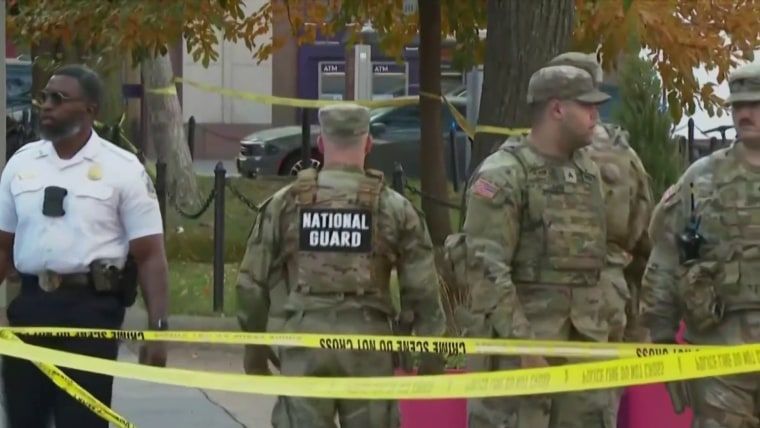
Two West Virginia National Guard members were attacked near the White House on November 26, 2025, resulting in one death and one injury. The suspect, an Afghan asylum seeker, was critically wounded but taken into custody. The shooting has intensified national debates on immigration and security.
Details of the Incident
The attack occurred near the Farragut West Metro Station, approximately two blocks from the White House, where two members of the West Virginia National Guard were deployed as part of federal law enforcement operations. The suspect ambushed the guardsmen, opening fire with a .357 Magnum Smith & Wesson revolver.
Both guardsmen were shot in the head. After shooting the first guard, a female soldier who later died from her injuries, the assailant seized her firearm and shot the second guard. The surviving guardsman returned fire and also used a pocket knife to stab the suspect.
Law enforcement confirmed the suspect was shot four times and sustained critical, but non-life-threatening injuries before being taken into custody.
Suspect Profile
The arrested suspect has been identified as Rahmanullah Lakanwal, a 29-year-old Afghan national of Pashtun ethnicity from Khost Province. Lakanwal had previously assisted U.S. forces during the Afghanistan conflict and was granted asylum earlier in 2025 under the Trump administration.
Political and Social Impact
The incident has drawn immediate national attention and fueled discussions related to immigration policies and national security. President Trump responded swiftly by proposing new anti-immigration measures, emphasizing concerns over the asylum vetting process and the protection of American citizens.
This event reflects heightened tensions in Washington, D.C., where National Guard deployments have become a visible component in managing security, especially following earlier incidents such as the May 2025 shooting at the Capital Jewish Museum.
Context and Broader Implications
The shooting underscores ongoing challenges surrounding immigration vetting, domestic safety, and the deployment of National Guard forces for federal duties in the nation’s capital. The seriousness of the attack close to a high-security government zone highlights vulnerabilities and the potential consequences for policy decisions.
As authorities and policymakers continue to address these security concerns, the incident will likely shape discussions on balancing humanitarian asylum commitments with stricter national security measures to prevent future attacks.