

New York, November 30, 2025
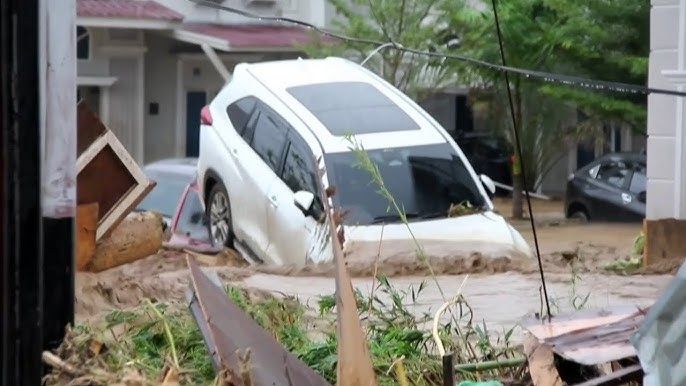
At least 600 people have died in severe flooding across South-East Asia caused by record monsoon rains and the interaction of Typhoon Cotto and Cyclone Senya in late November 2025. The worst-affected countries include Indonesia, Thailand, and Sri Lanka, where relief efforts continue amid widespread devastation.
Casualties and Scope of Disaster
The floods have resulted in over 600 confirmed deaths, with hundreds more missing and thousands displaced. Indonesia’s northern Sumatra region has faced the highest toll, reporting more than 300 fatalities. Southern provinces of Thailand, including Hatyai, saw over 160 deaths, while Sri Lanka’s flood-related deaths exceed 150, matching the country’s worst floods since 2016.
Country-Specific Situations
In Indonesia, many remote villages remain isolated due to landslides and damaged infrastructure, hampering aid delivery. Power outages compound the hardships as search and rescue operations strive to reach cut-off communities. Thailand has faced criticism for delayed government response, although supplies have recently begun to reach affected areas. Sri Lanka endured hours of relentless rain from Cyclone Ditto, submerging numerous homes and contributing to the high fatality count.
Meteorological Causes
Meteorologists attribute the unprecedented flooding to the rare interaction between Typhoon Cotto and Cyclone Senya in the Malacca Strait, which intensified monsoon rains. This confluence led to historic rainfall levels, overwhelming rivers and drainage systems across the region.
Current Challenges and Response
Continuous rainfall and damaged roads limit rescue operations and aid distribution. Remote and vulnerable communities remain cut off, increasing concern for survival and health risks. Regional governments and international agencies have mobilized emergency support, yet logistical challenges persist in reaching the most affected. Efforts focus on providing shelter, medical aid, and restoring infrastructure.
Broader Implications
This series of floods highlights the increasing vulnerability of South and South-East Asia to climate-driven extreme weather events. The scale of destruction underscores the urgent need for enhanced disaster preparedness and climate resilience strategies. Policymakers, business leaders, and global citizens must prioritize coordinated responses to mitigate future risks in this climate-sensitive region.
The ongoing crisis serves as a stark reminder of the profound impacts of changing weather patterns and the necessity for adaptive infrastructure and emergency planning.