

London, November 30, 2025
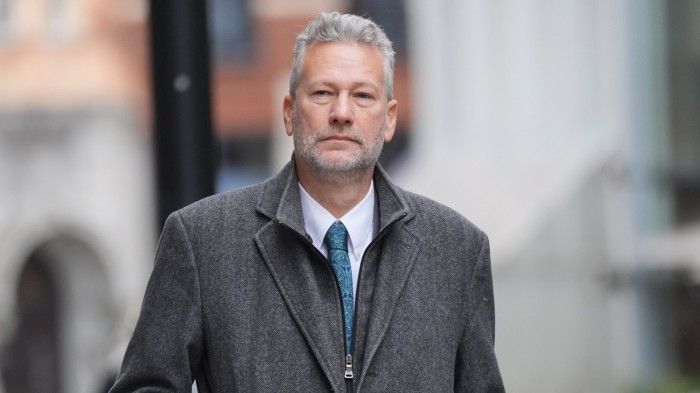
David Coburn, a former Brexit Party and UKIP MEP, has denied receiving payments tied to a pro-Russian influence campaign following the conviction of fellow ex-Brexit Party MEP Nathan Gill. The allegations arise amid ongoing investigations into foreign bribery schemes during their tenure in the European Parliament.
Nathan Gill was sentenced to 10.5 years in prison after admitting to accepting bribes from Oleg Voloshyn, a former pro-Russian Ukrainian MP, in exchange for delivering pro-Russian speeches. During the investigation, WhatsApp messages between Gill and Voloshyn revealed payments intended for a second MEP, identified as “D” and “David,” widely believed to be Coburn.
The WhatsApp conversations indicate that Voloshyn set aside $6,500 (£5,000) for Coburn to participate in meetings with pro-Russian Ukrainian TV stations, including 112 Ukraine and NewsOne. Despite these revelations, Coburn firmly denied any involvement or receipt of such payments when questioned by the media.
The Crown Prosecution Service (CPS) stated that although evidence shows Gill was directed to distribute some bribes among other MEPs, there is currently no proof that Coburn was aware of or accepted any illicit funds.
Details of the bribery scheme
The scandal centers on a covert influence operation allegedly masterminded by Janusz Niedźwiecki, a Polish national arrested in connection with the case. The operation sought to sway European politicians financially to promote pro-Russian narratives. Gill’s conviction represents a significant political corruption case linked to Russian interference in recent years.
Calls for accountability and investigations
The fallout from the scandal has intensified scrutiny on the Brexit Party and demands for a thorough, independent inquiry. Labour leaders, including Prime Minister Keir Starmer, have publicly urged Nigel Farage to take decisive actions in response. The case raises profound concerns about the safeguarding of democratic institutions from foreign influence and the oversight of political conduct and funding.
The denials by David Coburn, amid the absence of concrete evidence against him, leave open questions about the potential extent of the bribery network. The episode underscores the ongoing vulnerability of elected officials to external manipulation, prompting calls for enhanced transparency and protective measures in politics.