

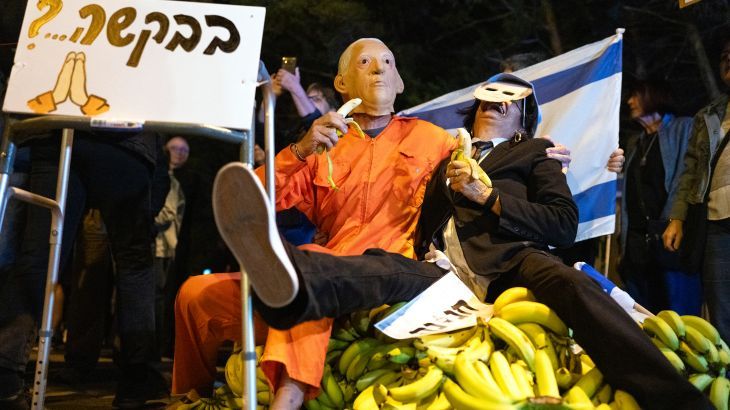
Jerusalem, December 01, 2025
Israeli Prime Minister Benjamin Netanyahu has formally requested a presidential pardon from President Isaac Herzog amid ongoing criminal trials that have spanned nearly six years and involved multiple allegations of fraud, breach of trust, and bribery. The move marks an unprecedented development in Israel’s political-legal landscape as Netanyahu seeks to end his prolonged legal ordeal in the nation’s capital.
Context and Significance of the Request
Netanyahu’s petition for a pardon comes after almost a decade of investigations and six years of legal proceedings in three separate cases. Despite the length and intensity of the trial process, Netanyahu has not been convicted. His request for clemency is historic, as no sitting Israeli prime minister has previously sought a presidential pardon under such circumstances.
Criminal Charges and Trial Details
The charges against Netanyahu encompass serious offenses including fraud, breach of trust, and accepting bribes. While facing these accusations, Netanyahu has maintained his innocence. The trial has been characterized by stringent judicial demands, notably the requirement for him to testify three times weekly, a burden the prime minister has described as untenable.
Netanyahu’s Public Statement
Addressing the nation, Netanyahu framed his pardon petition as a necessary step to conclude what he called a taxing and divisive legal saga. He emphasized the need for national unity in the face of multiple external and internal threats confronting Israel. Importantly, throughout his address, Netanyahu refrained from conceding any guilt, underscoring that his initiative was aimed at healing political and social fractures rather than an admission of wrongdoing.
President Herzog’s Response and Review Protocol
The office of President Isaac Herzog termed the pardon request “extraordinary” due to its unprecedented nature and potential political ramifications. While internal discussions reportedly explored conditions such as Netanyahu admitting guilt, demonstrating remorse, and withdrawing from politics, Herzog’s office officially denied the existence of a conditional plea deal. The president indicated that a responsible and thorough review process would commence only after all relevant legal documentation is submitted for consideration.
Political and Social Implications
This development carries substantial weight within Israel’s complex political environment. The long-standing legal wrangling surrounding Netanyahu has deeply impacted both political discourse and public confidence. With Israel facing strategic uncertainties on multiple fronts, the outcome of this pardon request could influence social cohesion and governance stability. Policymakers, business leaders, and academics observing the situation recognize this moment as pivotal for the nation’s future trajectory.
As President Herzog deliberates on this unprecedented petition, Israel remains poised at a crossroads where the intersection of law, politics, and national unity will shape the country’s path forward.