

London, December 01, 2025
The UK government, led by Chancellor Rachel Reeves, unveiled a comprehensive 2025 budget on December 1, introducing over 80 tax and spending measures aimed at achieving fiscal restraint while providing targeted support to key sectors and demographics across the country.
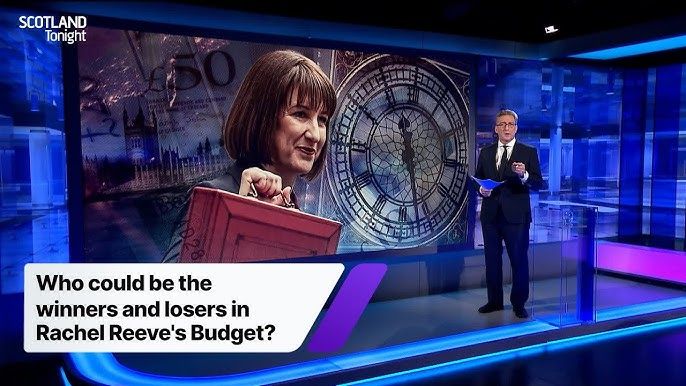
Winners and Losers in the 2025 Budget
The budget delivers a clear divide between beneficiaries and those facing increased financial burdens. Among the main winners are bond market investors reassured by a £22 billion fiscal buffer, leading to gains in government bonds and a stronger pound. High-street retailers and small business owners benefit from permanently reduced business rates on properties valued under £500,000. Households heating their homes see relief through the removal of select green levies and the abolition of a home efficiency upgrade scheme, collectively lowering average energy bills by approximately £150. Additionally, young people unemployed or out of education for over 18 months will receive guaranteed paid work, training, and education programs aimed at tackling youth unemployment. Lower-income families see improvements with the lifting of benefit caps, enhancing their disposable incomes.
Conversely, better-paid workers confront a freeze on income tax thresholds for three years, a move projected to raise £8 billion in revenue but which will limit real household disposable income growth through increased tax liability. Savers and landlords face new financial challenges due to forthcoming charges on salary-sacrificed pensions from 2029 and a 2 percentage point rise in tax rates on dividends, rental income, and savings. Homeowners of high-value properties, particularly in London, will encounter a new tax surcharge on homes worth over £2 million, with annual charges ranging between £2,500 and £7,500. Despite targeted relief measures, the overall effect on households is expected to be stagnation in real disposable income.
Detailed Impact on Key Groups
Bond investors gained confidence due to the substantial fiscal buffer, reinforcing government creditworthiness. Retailers and small businesses in properties below the half-million-pound threshold benefit from a redistributive business rates reform that shifts the burden onto larger properties. Energy consumers, especially those responsible for heating, will experience a direct reduction in expenses with the removal of green levies and cancellation of costly efficiency schemes.
Youth unemployment is addressed through state-backed programs promising employment or educational opportunities after long-term unemployment or disconnection from education. Lower-income families are positively impacted by policy changes that remove benefit caps, improving financial security.
On the other side, freezing income tax thresholds effectively pushes a significant portion of taxpayers into higher tax bands, eroding disposable income over time. New taxes on pensions, dividends, and rental income directly affect savers and landlords, groups often perceived as wealthier. London homeowners with expensive properties face a new surcharge, concentrating fiscal pressure on high-net-worth individuals in the capital. The overarching economic consequence for households is a lack of real income growth due to these cumulative fiscal measures.
Fiscal Strategy and Economic Context
Rachel Reeves’s 2025 Budget represents a strategic attempt to balance tight fiscal control with the government’s manifesto promises, notably refraining from increasing headline income tax rates. The budget’s comprehensive set of over 80 tax and spending policies aims to raise £26 billion. This approach positions the government to maintain fiscal discipline while safeguarding targeted support for vulnerable groups and critical sectors.
Economic forecasts anticipate real household disposable income to stagnate, underscoring the tension between revenue generation and living standards. The budget’s design reflects an acknowledgment of fiscal constraints amid wider economic pressures, ensuring that the government’s financial strategy remains viable without triggering overt public backlash through direct tax hikes on middle-income earners.
Implications for Future Policy and the Economy
Looking ahead, the budget sets a precedent for a measured, redistributive fiscal approach that prioritizes a sustainable public finance framework. Targeted relief to lower-income families, young people, and small businesses contrasts with heightened tax pressure on more affluent groups, hinting at a policy trajectory focused on narrowing inequality while ensuring fiscal stability.
The challenge for policymakers will be to monitor the impact on consumer spending and investment, particularly in property and savings sectors, while maintaining investor confidence supported by the sizeable fiscal buffer. The implications for the UK’s economic growth and social welfare hinge on balancing revenue needs with protections for households and businesses navigating an increasingly complex tax landscape.