

London, December 01, 2025
The Striezelmarkt in Dresden, established in 1434, is recognized as the first true Christmas market, marking the transition from medieval winter markets for essential goods to festive seasonal events central to Christmas tradition worldwide. This development reflects a centuries-old culture of community celebration, commerce, and craftsmanship rooted deeply in German heritage.
Origins of the Christmas Market
The Striezelmarkt, originating in Dresden, Germany, holds the distinction as the earliest documented Christmas market authorized and organized as a seasonal event specific to Christmas. Unlike prior medieval winter fairs, which primarily focused on essential goods for winter survival, the Striezelmarkt evolved to emphasize cultural and festive elements tied to the holiday season.
Evolution from Necessity to Tradition
Medieval winter markets initially served practical purposes, providing food and supplies during harsh winters. The Striezelmarkt introduced a new dimension, featuring seasonal specialties like the traditional Stollen cake, handcrafted gifts, and entertainment that aligned specifically with Christmas celebrations. This shift established Christmas markets not just as commercial hubs but as cultural institutions fostering holiday spirit.
Distinctive Features of True Christmas Markets
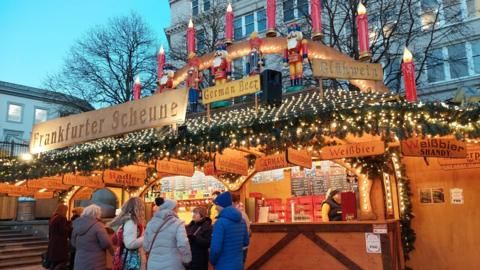
Traditional German Christmas markets, often called Christkindlmarkt or Christkindlesmarkt, maintain a distinct character through features such as illuminated wooden stalls, artisanal crafts including nutcrackers and ornaments, and characteristic festive foods like Lebkuchen and Bratwurst. These markets also offer live performances and community events, creating a multisensory experience rich with historical and regional significance.
Global Influence and Adaptations
The German-origin Christmas market concept has spread worldwide, influencing holiday traditions far beyond Europe. Authentic German-style markets are now present in cities from Chicago to Cullman, Alabama, preserving core elements of the Striezelmarkt’s heritage while adapting to local cultural contexts. These markets retain an emphasis on craftsmanship, traditional foods, and communal celebration, reflecting the enduring global appeal of this festive institution.
Cultural and Social Importance
Beyond their commercial role, Christmas markets embody communal joy and cultural identity during Advent and Christmas. Their vibrant atmosphere—marked by festive lights, the aroma of spices and roasting chestnuts, and the presence of local artisans—provides a collective experience that strengthens social bonds and preserves regional traditions. This blend of commerce, culture, and festivity highlights why Christmas markets hold a distinctive place in seasonal celebrations.
The significance of the Striezelmarkt remains relevant as Christmas markets continue to grow in international prominence. Their enduring traditions and communal values offer insight into how historical cultural practices adapt and thrive, providing festive communal spaces that extend well beyond mere commercial transactions.