

Dublin, December 01, 2025
Ireland is set to become the first country to mandate comprehensive health warning labels on all alcohol products starting May 26, 2026, aiming to reduce alcohol consumption and related health risks by explicitly linking alcohol to fatal cancers and other serious conditions.
New Regulations to Transform Alcohol Labelling
From May 2026, Ireland will require all alcoholic beverages sold within its borders to carry prominent red warning labels. These labels must clearly state the link between alcohol and fatal cancers, warn about risks to pregnant women and the dangers of liver disease, and include information on alcohol content, calorie counts, and a dedicated website offering further health advice. The government aims to lower per capita alcohol consumption by 20% within seven years, from 11.3 liters to 9.1 liters.
Addressing a Public Health Crisis in a Drinking-Centric Nation
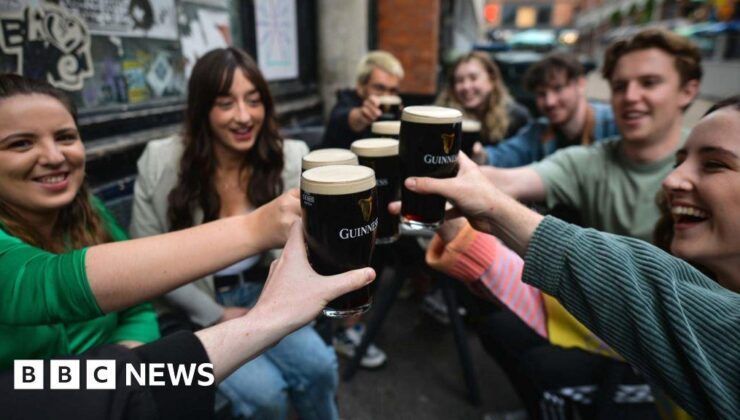
Alcohol consumption in Ireland is ingrained in social and cultural life, including key celebrations such as St. Patrick’s Day. However, alcohol remains a leading contributor to cancer, liver disease, and wider social harm. The health warning labels represent a public health priority to increase awareness, as most Irish citizens are currently unaware of the direct cancer risks posed by alcohol. Broad public support underscores the urgency, with 82% of Irish households endorsing the use of warning labels and 85% favoring restrictions on alcohol advertising.
Cultural and Industry Barriers to Change
Despite the public health impetus, efforts to implement these labels have faced considerable challenges. The deeply entrenched drinking culture in Ireland generates resistance to change, with alcohol often seen as a social cornerstone. Moreover, the alcohol industry has actively lobbied against the legislation, including appeals to the European Commission, resulting in legal and political delays since the law’s initial passage in 2018. These obstacles highlight the complex interaction between cultural identity, economic interests, and public health policy.
Potential Effects on Awareness and Consumption
Evidence from tobacco control indicates that clear, graphic health warnings can shift consumer attitudes and reduce usage over time. The new Irish labels aim to emulate this impact by directly linking alcohol to fatal cancers and other harms, thereby increasing public understanding and encouraging safer consumption habits. However, experts caution that labels alone will not suffice. They must be part of a broader strategy that includes minimum pricing policies, tighter marketing restrictions, and comprehensive public education campaigns to effect lasting cultural change.
A Global Precedent with International Attention
Ireland’s pioneering approach has attracted worldwide interest. The World Health Organization has praised the initiative and urged other countries to adopt similar measures. Success in Ireland could establish a new global standard for alcohol regulation, influencing public health policy and alcohol marketing practices internationally.
This historic policy marks a significant step toward reducing alcohol-related harm by informing consumers and challenging deeply rooted norms. Combined with complementary measures, the mandated warning labels have the potential to save lives and inspire similar actions globally.