

Yaoundé, December 01, 2025
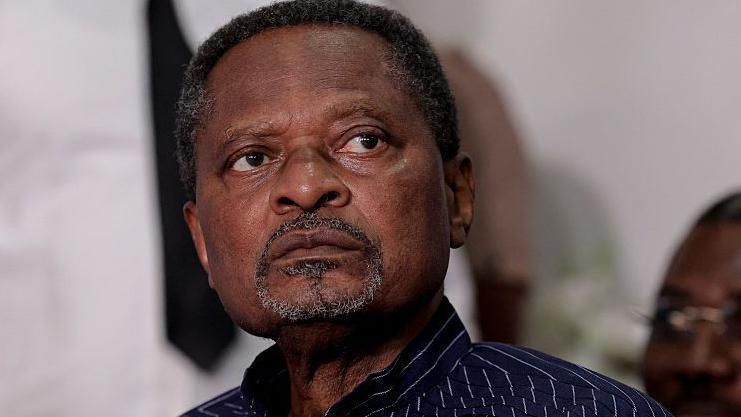
Anicet Ekane, a 74-year-old prominent opposition leader in Cameroon, died in state custody on December 1, 2025, following his arrest in Douala on October 24 related to post-election protests against President Paul Biya’s re-election. His death has sparked national outrage amid claims of medical neglect and accusations of political repression.
Death in Detention and Official Response
Anicet Ekane, leader of the African Movement for New Independence and Democracy (MANIDEM), was held at a military facility in Yaoundé on charges including anti-state activities, incitement to rebellion, and calls for insurrection. Authorities confirmed his death and attributed it to an illness, announcing that an investigation is underway. However, Ekane’s family and legal representatives contest the official narrative, reporting that his health rapidly deteriorated during detention and that vital medical equipment, such as an oxygen concentrator kept in his impounded vehicle, was withheld. Attempts by lawyers to retrieve this equipment were reportedly blocked. MANIDEM has condemned the incident as a deliberate assassination and a severe human rights violation.
Political Context and Charges
Ekane had been a vocal critic of the government and a key supporter of opposition presidential contender Issa Tchiroma Bakary, who fled to Gambia following contentious election results. His arrest followed nationwide protests triggered by President Paul Biya’s controversial re-election. The government accused Ekane of fomenting unrest, though he consistently denied all charges. His death highlights the sharp political tensions surrounding Cameroon’s electoral process.
Public Reaction and Security Crackdown
Ekane’s passing has intensified public anger and mourning across opposition groups and civil society. The government’s security forces faced criticism for their heavy-handed response to post-election unrest, having killed 48 civilians during protests. Following Ekane’s death, local media and social networks have seen an outpouring of tributes, while opposition parties warn of escalating instability if justice is not delivered. The incident has further intensified scrutiny of Cameroon’s detention conditions, especially regarding political prisoners.
Regional and International Implications
The death is drawing concern throughout Central and East Africa, where political repression and arbitrary detention increasingly threaten democratic stability. International human rights organizations have called for independent inquiries and urgent reforms to uphold rule of law and protect political freedoms.
Broader Significance
Cameroon is navigating a deepening political crisis, characterized by declining public trust and a fraught electoral climate. The death of a senior opposition figure in custody under suspicious circumstances exacerbates tensions, potentially undermining national stability and catalyzing calls for systemic democratic reforms. The unfolding investigation and government response will be closely watched by both domestic and international stakeholders engaged in Cameroon’s political future.