

Indonesia, December 02, 2025
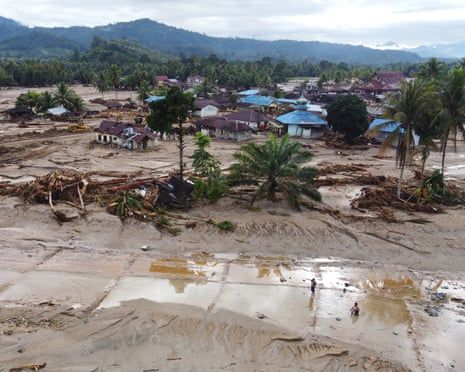
More than 700 people have died and over 500 remain missing in Indonesia following devastating floods and landslides across Sumatra’s provinces of Aceh, North Sumatra, and West Sumatra. The disaster, which began late November, was triggered by Cyclone Senyar and prolonged monsoon rains.
Death Toll and Missing Persons
The confirmed death toll in Indonesia has exceeded 700, with authorities reporting approximately 500 individuals still unaccounted for amid ongoing rescue efforts. The hardest-hit areas include North Sumatra with 283 fatalities, West Sumatra with 165, and Aceh reporting 156 deaths. These losses mark one of the deadliest natural disasters in the region so far this year.
Scope of Displacement and Impact
Approximately 3.3 million people have been affected by the floods and landslides that have submerged large sections of the affected provinces. Over 645,000 residents have been displaced from their homes, forced to seek refuge in emergency shelters. More than one million people across multiple provinces have faced evacuation orders as floodwaters and unstable terrain threaten communities.
Infrastructure Damage and Humanitarian Challenges
The disaster has severely damaged infrastructure across the region. Many roads have been washed out, bridges collapsed, and power outages have isolated major towns, complicating relief and rescue operations. Ongoing adverse weather conditions continue to hamper accessibility and slow down the delivery of vital aid to displaced populations.
Regional Context
While Indonesia has borne the brunt of Cyclone Senyar’s impact, other Southeast Asian nations have also suffered. Thailand, Malaysia, and Sri Lanka have reported significant fatalities and missing persons due to continuous monsoon rains and related flooding. The cumulative death toll across these countries, alongside Indonesia, has surpassed 1,200. Thousands remain missing as emergency teams conduct search missions amid hazardous weather.
Rescue and Relief Efforts
Humanitarian agencies, in coordination with local governments, have deployed rescue teams to extract survivors and provide essential assistance. Despite the enormous logistical challenges posed by damaged infrastructure and inclement weather, ongoing operations focus on delivering food, clean water, medical aid, and shelter to displaced families.
The scale of the disaster underscores the vulnerability of infrastructure in flood-prone areas and the need for enhanced disaster preparedness and response mechanisms in Southeast Asia. As weather patterns intensify, regional cooperation and investment in resilience will be critical to mitigating the impact of future natural calamities.