

London, December 02, 2025
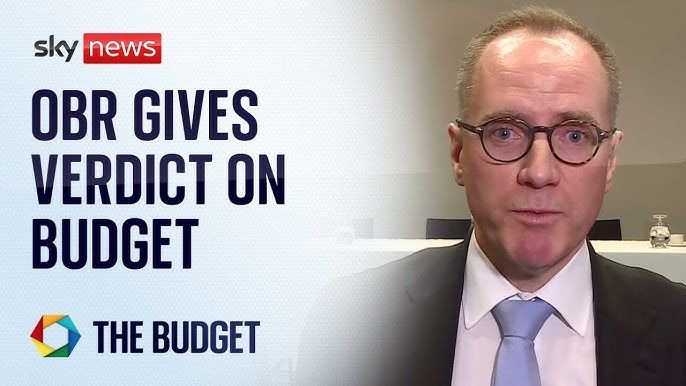
Richard Hughes, head of the UK’s Office for Budget Responsibility (OBR), resigned following the premature leak of critical budget forecasts two hours before the official Budget day release, a move he described as a “regrettable error.” The resignation aims to help the OBR swiftly recover from the controversy.
Leak and Resignation Details
The unexpected publication of the OBR’s budget forecasts ahead of schedule prompted immediate repercussions. Hughes, acknowledging full responsibility, characterized the incident as a serious lapse in maintaining the confidentiality expected of his office. His resignation is intended to enable the OBR to “quickly move on” and restore public trust in its processes.
Role and Significance of the OBR
The OBR functions as an independent watchdog tasked with providing impartial economic forecasts that shape the UK government’s fiscal policies. The forecasts leaked in this instance reflected an upgrade that had consequential effects on government strategy. Specifically, the improved economic outlook influenced the administration, under Prime Minister Keir Starmer and Chancellor Rachel Reeves, to revisit and adjust key tax policies, including income tax rates.
Political and Public Scrutiny
This episode has intensified scrutiny of the Budget process. Opposition figures have questioned whether Hughes’ resignation is sufficient or if he is being unfairly made a scapegoat amid broader concerns about transparency. Critics argue that the leak raises questions about the accuracy and timing of economic data presented by the government ahead of the Budget, potentially undermining public confidence in government disclosures.
Confidentiality and Trust in Economic Oversight
Central to the controversy is the importance of maintaining strict confidentiality around economic forecasts, which are highly sensitive and critical for ensuring a fair and orderly fiscal policy announcement. The premature release not only disrupted standard protocols but also sparked wider political debates about the reliability of data and the integrity of institutions responsible for economic oversight in the UK.
The incident underscores the delicate balance that economic institutions must maintain between providing timely, accurate information and preserving the confidentiality necessary to uphold trust in public fiscal policy formulation.
The resignation of Richard Hughes marks a pivotal moment for the OBR and the government’s Budget process, highlighting the essential role of transparency and accountability in economic governance and the challenges of managing sensitive information in an increasingly scrutinized political environment.