

London, December 02, 2025
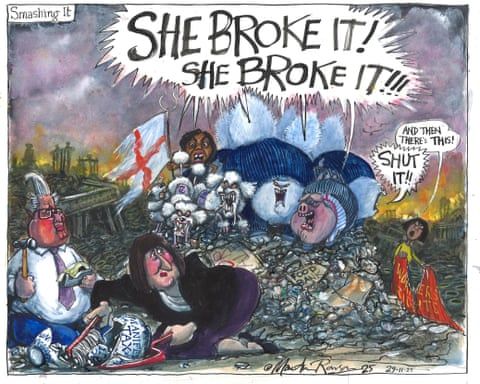
Martin Rowson’s latest cartoon, published in The Guardian, critically addresses the besieged state of the Labour party amid Keir Starmer’s recent U-turn on workers’ rights manifesto promises, highlighting the mounting internal pressures within the party.
The Cartoon’s Commentary
Martin Rowson, a noted political cartoonist, has illustrated the Labour party’s ongoing challenges through a striking visual accompanying The Guardian’s political commentary. The cartoon underscores the party’s struggles as leader Keir Starmer reverses a key manifesto pledge regarding workers’ rights. Although the specific imagery and elements of the cartoon are not detailed here, it symbolically reflects the perception of Labour as beleaguered and facing criticism both from within and outside its ranks.
Labour Party Under Siege
The cartoon’s timing coincides with growing scrutiny of Starmer’s leadership, particularly his decision to backtrack on commitments made to workers during the last election cycle. This reversal has been emblematic of wider political tensions within the party, with critics arguing it undermines Labour’s traditional support base and fuels narratives of indecisiveness. The visual commentary portrays Labour as a party under siege, grappling with internal discord and external challenges that question its direction and policy consistency.
Political Implications
Starmer’s U-turn over workers’ rights is viewed as a significant political event with ramifications for Labour’s broader strategy and credibility. It may complicate efforts to unify disparate factions and maintain voter confidence. Rowson’s cartoon captures this moment of vulnerability, serving as an incisive critique of how promises made during manifesto campaigns can become points of contention when revised. The cartoon thus functions not only as political satire but also as a visual reflection of the ongoing debate over Labour’s future trajectory amid a shifting political landscape.
Martin Rowson’s illustration stands as a pointed reminder of the complexities facing the Labour party, portraying the leader’s policy reversal as more than a simple change of stance—it signifies deeper challenges that continue to shape the party’s identity and electoral prospects in the coming months.