

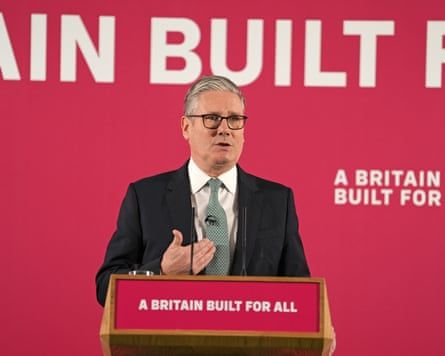
London, December 02, 2025
Keir Starmer has publicly defended Chancellor Rachel Reeves following a significant political controversy involving the recent Budget and a welfare reform reversal, both exposing serious fiscal challenges and internal dissent within the UK Labour government. The events unfolded on December 1, 2025, amid mounting scrutiny over government credibility and economic management.
Budget and Welfare Reform Controversy
Rachel Reeves’s Budget announcement included a £26 billion tax increase intended to address the UK’s precarious public finances. However, the Chancellor has encountered accusations of misleading the public about the extent of the fiscal difficulty. Adding to the pressure, Prime Minister Keir Starmer was compelled to abandon proposed welfare reforms, notably changes to Personal Independence Payment (PIP) eligibility, after intense opposition from Labour MPs and disability advocates.
This reversal has created a £4.8 billion gap in the government’s fiscal projections, fundamentally undermining the Budget’s planned savings. The welfare U-turn has intensified questions about the government’s ability to deliver its economic promises and maintain fiscal discipline.
Political and Public Impact
Starmer’s endorsement of Reeves has become a crucial test of his leadership. The Prime Minister’s willingness and ability to rally support behind the Chancellor directly affects perceptions of the Labour government’s unity and competence. Internal divisions within the party have surfaced prominently, with rebel MPs openly challenging the approach to welfare reform and fiscal responsibility.
The controversy also raises broader concerns about transparency and public trust in government economic policy. Voters and stakeholders are scrutinizing whether the government’s statements and plans genuinely reflect fiscal realities or are politically motivated. The outcome bears heavily on the government’s capacity to secure backing for future legislation, especially on economic and welfare matters.
Context and Future Outlook
Since taking office, the Labour government has confronted significant post-election economic challenges, including the need for fiscal consolidation amid uncertain global conditions. The reversed welfare reforms reflected attempts to tighten public spending but encountered fierce resistance due to potential social impacts. These challenges highlight the delicate balance the government must maintain between financial prudence and social policy considerations.
Rachel Reeves’s position as Chancellor is now at stake. Should Starmer fail to fortify her standing, calls for her resignation or a cabinet reshuffle could intensify, threatening government stability. The episode marks a critical juncture for Labour’s economic agenda and its broader governance strategy in a politically polarized environment.
The government’s handling of this controversy will influence voter confidence as the next elections approach. It will also signal how effectively the administration can manage internal conflict and deliver on its fiscal commitments amidst the complex realities of UK public finance.