

Bulgaria, December 02, 2025
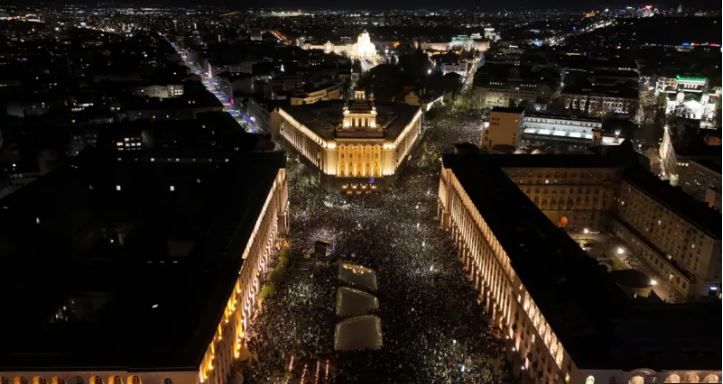
Bulgaria’s government withdrew its proposed 2026 state budget on December 1, 2025, following massive protests in Sofia and other cities. Citizens rallied against rising taxes, salary increases for officials, perceived corruption, and economic uncertainty tied to Bulgaria’s upcoming euro adoption in 2026.
Government Withdraws Budget Amid Nationwide Protests
The Bulgarian government officially announced the withdrawal of its 2026 state budget plan after tens of thousands of protesters took to the streets on December 1. The demonstrators demanded the resignation of the government and opposed what they saw as unfair fiscal policies.
Reasons Behind the Protests
Protesters expressed anger over several key issues: increased taxes affecting ordinary workers, proposed salary hikes for public sector officials, and broader concerns about government corruption and arrogance. Many saw the budget as neglecting the welfare of average citizens while favoring political elites. The tensions were aggravated by the anxiety surrounding Bulgaria’s planned eurozone entry next year, which some fear could worsen economic conditions.
Scale and Intensity of the Demonstrations
The protests marked the largest public unrest in Bulgaria since the 1990s, with significant clashes reported between demonstrators and police in Sofia. Violent confrontations led to injuries and heightened fears of instability. Protesters accused lawmakers of “crossing red lines” and governing without regard for public interests, amplifying calls for systemic political change.
Official Responses
In response to the upheaval, the government promptly withdrew the contentious budget proposal. President Rumen Radev commented on the unrest, condemning the violence and attributing it to “mafia provocation.” He also reiterated his call for the government’s resignation, emphasizing the need for accountability and renewed public trust.
Economic and Political Significance
These events underscore profound public dissatisfaction with Bulgaria’s economic policies and governance. The rare decision to retract a national budget illustrates the direct influence of citizen action in fiscal policymaking. Furthermore, the protests highlight the delicate balancing act the government faces as it undertakes necessary reforms ahead of adopting the euro, aiming to stabilize the economy without exacerbating social inequalities.
Context of Bulgaria’s Eurozone Entry
Bulgaria’s planned euro adoption in 2026 places additional pressure on policymakers to enact credible economic adjustments. The current unrest reveals vulnerability in public confidence at a critical juncture. The government’s ability to manage economic transition effectively while maintaining social cohesion will be crucial in the months ahead.
As Bulgaria confronts these challenges, the interplay between economic reforms, political accountability, and public sentiment will shape the country’s trajectory towards integration with the eurozone and broader European markets.