

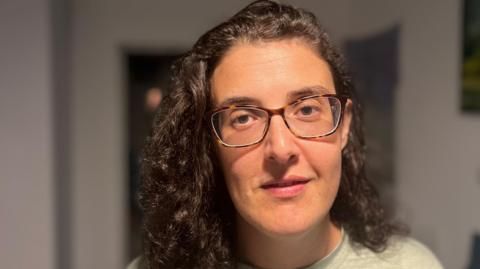
New York, December 02, 2025
Elizabeth Tsurkov, a Russian-Israeli researcher, was kidnapped in Baghdad by the Iraqi militia Kata’ib Hezbollah in March 2023, subjected to severe torture including wrist-hanging and beatings, and held captive for over two years before her release in September 2025. The incident highlights ongoing militia violence and complex regional geopolitical tensions.
Details of the Kidnapping and Torture
Tsurkov, conducting doctoral research in Iraq, was abducted by Kata’ib Hezbollah, an Iranian-backed militia group known for harsh tactics. During captivity, she endured brutal physical torture, notably being hung by her wrists—a method referred to as Ta’aliq—and beaten repeatedly. Reports also confirm incidents of sexual abuse. Her detention lasted approximately 903 days under conditions that caused severe physical and psychological trauma.
Medical records reviewed by The New York Times corroborate the extent of injuries consistent with her account of torture. Tsurkov’s family and human rights organizations criticized the militia’s treatment, emphasizing the deliberate infliction of suffering and the violation of international human rights standards.
Militia Background and Accusations
Kata’ib Hezbollah, operating as a powerful paramilitary force within Iraq’s unstable security landscape, often targets individuals it accuses of espionage or political opposition. In captivity, Tsurkov faced allegations of collaborating with foreign intelligence agencies, charges her family disputes as coerced and unfounded.
Prior to her abduction, Tsurkov had been publicly supportive of Palestinian rights and critical of some Israeli government policies. Observers note the militia’s political motivations in detaining her may reflect broader regional power struggles and an intent to silence dissent or perceived foreign influence.
Context and Geopolitical Implications
The case of Elizabeth Tsurkov sheds light on the perils faced by researchers and civilians in Iraq, where militias backed by Iran maintain significant influence and engage in extrajudicial actions. Iraq’s complex political environment, compounded by tensions involving Israel and Iran, creates hazardous conditions for foreigners and locals involved in sensitive political subjects.
This incident illustrates the intersecting risks posed by armed non-state actors and the geopolitical fault lines in the Middle East, raising concerns among international policymakers and human rights advocates about protections for vulnerable individuals amid ongoing conflicts.
Tsurkov’s decision to publicly share her experiences following release aims to expose the abuses exerted by Kata’ib Hezbollah and to catalyze greater attention to militia violence and human rights abuses in the region. Her story underscores the need for vigilance and support for those operating in politically volatile areas worldwide.