

London, December 06, 2025
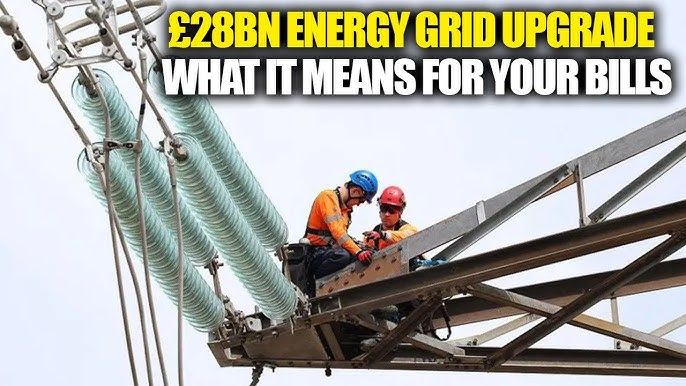
The UK government has announced a £28 billion investment to upgrade the national energy grid, aiming to modernize infrastructure, enhance energy security, and support the country’s net-zero goals. This move is set to push up household energy bills, funding the initiative through network charges starting in the coming years.
Scope and Purpose of the Investment
The extensive £28 billion funding is dedicated to overhauling the UK’s energy grid to address the growing demands of renewable energy integration such as wind and solar power. Upgrades aim to increase capacity and resilience, ensuring a stable power supply amid rising consumption and climate change pressures. Beyond immediate infrastructure improvements, the investment prepares the grid for future technologies including green hydrogen, electric vehicle charging stations, and smart grid systems necessary for long-term sustainability and decarbonization commitments.
Financial Impact on Households
This substantial upgrade will largely be financed via electricity network charges embedded within household energy bills. Industry analysts project a noticeable upward adjustment in domestic energy costs as utilities amortize the capital investment and ongoing maintenance expenses over time. The anticipated rise in bills occurs amid broader economic challenges, raising concerns around energy affordability for consumers, especially vulnerable households. The government and regulators face pressure to balance infrastructure funding with consumer protections.
Regulatory and Broader Context
The UK’s energy regulator, Ofgem, holds a critical role in overseeing the framework governing this investment, aiming to safeguard consumers while enabling necessary grid advancements. Globally, similar infrastructure reinvestments have accompanied the transition toward renewable energy, often leading to short-term increases in energy prices. Public and political reactions are likely to focus on the trade-off between essential modernization and the immediate financial burden on households. Authorities are expected to implement communication strategies and support mechanisms to mitigate economic impacts on lower-income consumers.
Significance
This £28 billion project marks one of the largest energy infrastructure investments in recent UK history and underscores the inherent tension between ensuring future-ready, sustainable energy provision and maintaining affordability for end users. For policymakers, business leaders, and informed citizens alike, understanding these dynamics is essential for adapting to the evolving energy landscape and realizing long-term benefits from today’s investment decisions.
As the UK progresses with its energy transition, how this initiative balances technological advancement with economic inclusivity will remain a pivotal concern shaping policy and public discourse.