

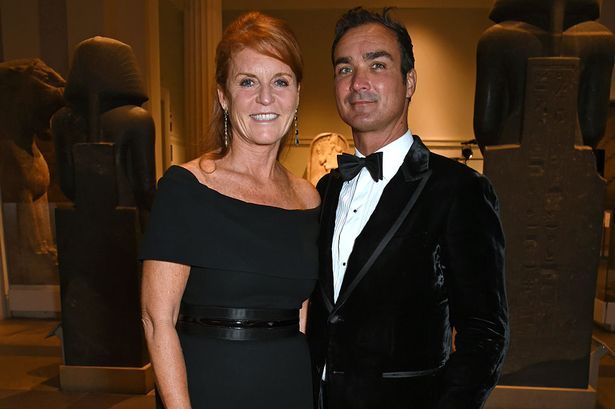
London, December 08, 2025
Lifestyle app vVoosh, endorsed by Sarah Ferguson, received over £1 million in UK taxpayer funds but failed to launch and has entered administration, raising questions about the use of public money in high-profile tech projects.
Funding and Financial Collapse
vVoosh, a lifestyle app founded by Manuel Fernandez and publicly backed as an ambassador by Sarah Ferguson, was awarded more than £1 million through UK tax credits aimed at fostering innovation. Despite raising approximately £9 million in total, the company collapsed without ever releasing a product, leading to substantial losses for taxpayers and private creditors. The failure left creditors uncertain about recovering their investments.
The tax credits used are part of government schemes intended to support early-stage tech startups and stimulate economic growth. However, in this case, the funds did not translate into a viable product, triggering scrutiny over the vetting and oversight of such programs.
Sarah Ferguson’s Involvement and Public Response
Sarah Ferguson’s high-profile association with vVoosh has come under public criticism following the app’s failure. As an ambassador and supporter of the venture, her judgment has been questioned, given her close personal connections with founder Manuel Fernandez.
While Ferguson’s role was largely promotional, the collapse has sparked debate about the risks celebrities face when endorsing business ventures, especially those subsidized by taxpayer money. The inactivity of the associated charity linked to vVoosh further complicates the narrative and adds to concerns about accountability.
Implications for Government Funding and Oversight
The vVoosh case highlights significant challenges within government-funded innovation initiatives. It illustrates how high-profile endorsements do not necessarily guarantee business success or safeguard public funds. This failure underscores the need for more rigorous due diligence, transparent accountability measures, and post-funding monitoring to prevent similar occurrences.
Policymakers and watchdog organizations are being urged to reconsider the frameworks governing tax credit allocations to ensure that investments yield tangible outcomes and protect public interests. Financial losses and creditor uncertainty from such collapses could erode confidence in public funding schemes and dampen investor enthusiasm for tech startups supported by government programs.
As the vVoosh administration unfolds, investors and taxpayers alike await clarity on financial recoveries and potential reforms. The episode serves as a cautionary tale about balancing innovation support with prudent oversight in public spending.