

New York, December 08, 2025
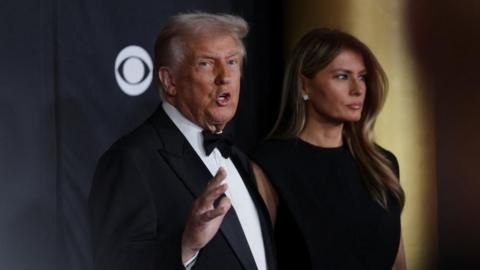
Former President Donald Trump has raised concerns over the $72 billion Netflix-Warner Bros. merger, citing potential market concentration and antitrust issues that could disrupt Hollywood’s creative ecosystem and competitive landscape. The deal merges one of the largest streaming platforms with a major film and television studio, drawing regulatory scrutiny and industry debate.
Details of the Merger
Netflix’s acquisition of Warner Bros.’ film and television operations, excluding the television channels being spun off, is set to reshape the entertainment industry. Valued at $72 billion, this consolidation combines Netflix’s extensive streaming infrastructure with Warner Bros.’ vast content library, including HBO. The merger aims to expand Netflix’s production capabilities and content offerings in an increasingly competitive market.
Concerns Over Market Concentration and Monopsony
Critics, including Trump, warn the deal could create a monopsony, where too few buyers dominate and wield disproportionate bargaining power over Hollywood’s creative professionals. This scenario risks limiting opportunities for writers, directors, and actors, potentially suppressing industry wages and reducing the diversity of content produced. Such concentration echoes past concerns that have led regulators to block large media mergers, as they threaten competition and innovation.
Netflix’s Defense and Promised Benefits
Netflix argues the merger will bolster the U.S. entertainment sector by increasing production capacity, investing heavily in original content, and generating new jobs. The company maintains the deal will fuel growth and innovation, particularly as streaming platforms vie to offer exclusive, high-quality entertainment to global audiences.
Regulatory Scrutiny and The Trump Administration’s Position
The merger has reportedly drawn “heavy skepticism” from the Trump administration’s antitrust authorities, signaling potential challenges in gaining regulatory approval. This stance reflects broader government concerns about media consolidation and its effects on market competition, content diversity, and employment within the entertainment industry.
Financial Analysts and Technological Implications
Industry analysts highlight the merger’s potential strategic role in advancing artificial intelligence applications in entertainment. By leveraging combined content and data assets, the merged entity could pioneer AI-driven content creation and delivery, fundamentally altering production processes and viewing experiences.
Broader Industry Context
This deal is emblematic of a larger trend of consolidation in media and streaming, driven by competitive pressures and technological innovation. As giants merge, the industry faces complex questions about balancing scale with creative freedom, regulation, and the future of content ecosystems.
The outcome of Netflix and Warner Bros.’ union will have far-reaching implications for market dynamics, creative labor markets, and technological evolution in entertainment, making it a crucial case study in the ongoing transformation of global media industries.