

London, December 09, 2025
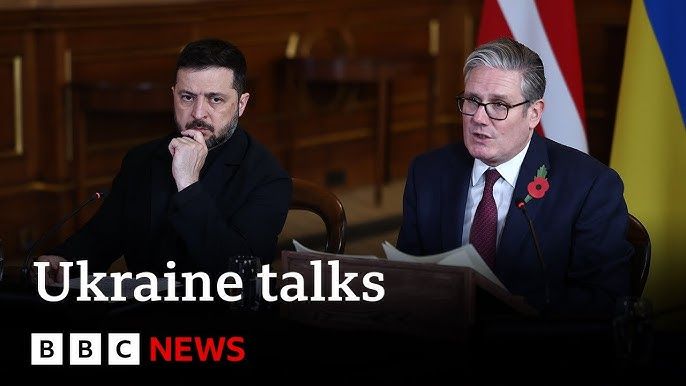
Ukrainian President Volodymyr Zelenskyy arrived at 10 Downing Street on December 9 for urgent talks with British Prime Minister Keir Starmer and European leaders, including representatives from France and Germany, to discuss Ukraine’s ongoing war efforts against Russia and reinforce support amid shifting international dynamics.
Diplomatic Meeting Focuses on Ukraine’s War and Territorial Integrity
The high-level discussions center on Ukraine’s strategic efforts to end the war with Russia while firmly defending its sovereignty and territorial boundaries. This dialogue takes place amid complex international pressures, particularly with fluctuating American backing of Ukraine’s position.
British Prime Minister Keir Starmer emphatically voiced strong support for Ukraine’s sovereignty and defense, signaling the United Kingdom’s commitment to stand with Kyiv throughout the conflict. The presence of key European leaders underscores a unified front to address the war’s dire humanitarian and geopolitical consequences.
Context of Peace Plan Controversies and U.S. Involvement
These talks at Downing Street follow contentious developments in peace negotiations involving former U.S. President Donald Trump’s envoys. These representatives proposed peace plans that have been met with controversy, particularly because the proposals would require Ukraine to concede portions of its eastern territory. Trump publicly criticized Zelenskyy for not embracing the latest draft. This dynamic further illustrates the delicate balance Ukraine faces in securing Western support while maintaining its territorial claims.
Zelenskyy’s Repeated UK Visits Highlight Diplomatic Intensification
This visit marks Zelenskyy’s fifth trip to the United Kingdom in less than a year, reflecting the persistent diplomatic efforts to solidify international backing. Frequent engagements in London indicate the UK’s pivotal role within Europe’s broader support network for Ukraine.
Zelenskyy’s meetings at Downing Street are part of ongoing international strategies aiming to maintain pressure on Russia while exploring avenues for a potential diplomatic resolution to the conflict. These proceedings are critical amid fluctuating global opinions and the necessity for coordinated responses to the war’s humanitarian and security challenges.
As the conflict persists, this summit at the UK government’s central seat of power reaffirms the importance of multinational cooperation in addressing one of Europe’s most significant crises in recent decades.