

London, December 09, 2025
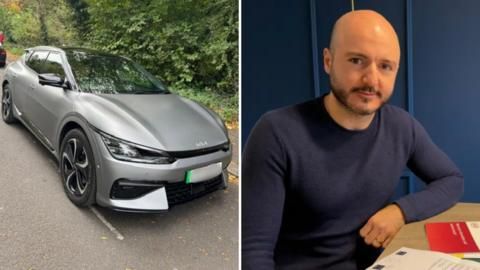
A surge in car cloning incidents across the UK, particularly in London, has resulted in significant financial losses for buyers, including a reported £13,000 loss after purchasing a cloned second-hand vehicle. This rise, observed through 2023 and continuing into 2025, is driven by criminal gangs exploiting weaknesses in online car sales and identity verification.
The Scale and Urgency of Car Cloning in the UK
Car cloning, where criminals replicate a vehicle’s identity using stolen number plates and documents, has escalated alarmingly in the UK. London alone recorded over 36,000 cases in 2023—a 64% increase from previous years. This trend has continued into 2024 and 2025, with more than 10,000 and over 14,000 incidents, respectively, nationwide. Such figures highlight a growing, widespread problem affecting vehicle buyers and law enforcement alike.
Understanding Car Cloning and Its Risks to Buyers
Car cloning involves re-registering a stolen car under the identity of a legitimate vehicle to avoid detection. This allows criminals to use cloned cars for illegal activities or to resell them deceptively to unsuspecting buyers. For individuals buying second-hand cars, especially without thorough checks, this crime poses multiple risks: possession of an illegal vehicle subject to police seizure, accumulating fines for offenses committed by the cloned vehicle, and near-certain financial loss since buyers typically cannot claim compensation for cloned cars.
Drivers Behind the Increasing Incidence
The infection of car cloning has been fueled by changes in car purchasing behaviors and regulatory gaps. Increasingly, buyers engage in online transactions, often purchasing vehicles unseen, which creates opportunities for fraudsters to exploit. Equally problematic is the inadequacy of controls over number plate sales on internet platforms such as eBay and Amazon, where some sellers do not rigorously verify the legitimacy of applicants. This lack of enforcement enables criminals to access and replicate genuine-looking plates with ease.
Financial and Legal Consequences for Victims
Victims of cloned car purchases face severe repercussions. Since the cloned vehicle retains a fraudulent identity, legitimate buyers may find themselves unknowingly in possession of stolen property. Police have the authority to seize such vehicles, and owners are generally not entitled to restitution. Additionally, victims often accumulate unpaid fines—such as parking tickets and speeding violations—linked to the cloned plate. Such consequences can multiply the financial loss and create complex legal challenges for innocent buyers.
Recommended Actions to Mitigate Risks
Authorities strongly advise vigilance during vehicle purchases. Potential buyers should exhaustively verify the Vehicle Identification Number (VIN) and conduct official checks through the Driver and Vehicle Licensing Agency (DVLA). When suspicion arises, immediate reporting to the police and Transport for London can prevent further misuse and personal liability. Early detection is critical to avoid traffic fines and seizure issues. Increasing awareness of these procedures among consumers is vital to diminish the impact of cloning crimes.
This persistent rise in car cloning underscores the need for enhanced regulatory mechanisms and industry vigilance to protect buyers and maintain trust in the used car market. Addressing these vulnerabilities will require combined efforts bridging policy, law enforcement, and consumer education to mitigate financial harm and enhance public safety.