

New York, December 13, 2025
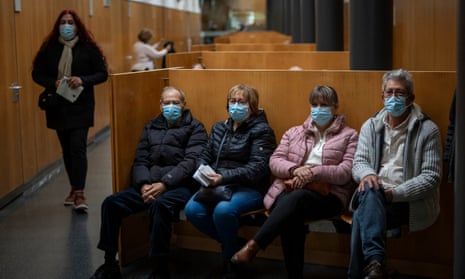
Health systems in New York, New Jersey, and Israel have reinstated mandatory mask policies in hospitals and care facilities amid an early and severe surge in influenza and other respiratory viruses. This move aims to protect vulnerable patients and mitigate pressure on healthcare services during the escalating respiratory illness season.
Early Surge in Influenza and Respiratory Viruses
Hospitals across multiple U.S. states, including New York and New Jersey, have responded to a significant rise in flu cases and related hospital visits by reintroducing mask mandates for staff and visitors. Medical leaders in Israel have similarly urged mandatory masking for healthcare workers in hospitals and community clinics. The current outbreak is described as unusually early and severe, with several recent pediatric deaths linked to respiratory infections.
The surge is not limited to influenza but includes concurrent increases in respiratory syncytial virus (RSV) and COVID-19, creating a compounded threat to patient safety and hospital staffing levels. These factors have driven health systems to adopt masking protocols to reduce transmission risks within clinical settings.
Rationale Behind Mask Mandates and Other Public Health Measures
Masking is seen as a critical intervention to shield high-risk inpatients and prevent staff exposures that could lead to workforce shortages. Hospitals mandate masks in treatment areas and encourage symptomatic visitors to either wear masks or postpone non-urgent clinical visits. Enhancing ventilation systems, accelerating vaccination campaigns, and recommending vaccination for the public are additional strategies being employed to curb the spread of respiratory viruses.
Despite reports of a newly identified influenza subclade with potential vaccine-match concerns, experts emphasize that vaccination remains crucial in lowering the risk of severe disease outcomes. Public health authorities maintain strong recommendations for flu vaccination, especially for vulnerable groups such as young children, older adults, and immunocompromised individuals.
Practical Guidance for the Public and Healthcare Visitors
Individuals planning to visit hospitals or care facilities should verify current mask and visitor policies beforehand. Wearing a well-fitting mask is advised when required or if experiencing respiratory symptoms. To protect vulnerable populations, including infants and the elderly, people are urged to stay home when ill and practice hand hygiene if visits are necessary.
Ongoing surveillance and hospitalization data are closely monitored by health systems and public health bodies to determine if additional interventions—such as broader mask mandates or visitor restrictions—may be warranted as the winter respiratory season progresses.
The reinstatement of mask mandates and the intensified public health efforts underscore the urgency posed by the early and severe influenza season, aligning with expert guidance to mitigate transmission risks and preserve critical healthcare resources.