

London, December 09, 2025
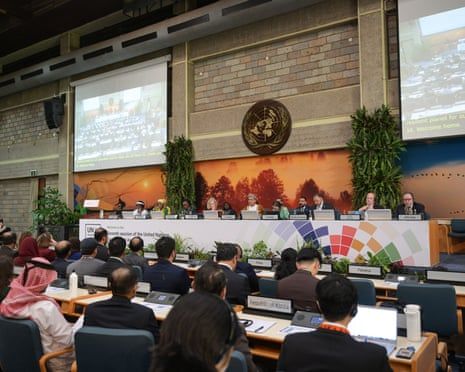
African nations have called for a global moratorium on solar geoengineering to prevent the deployment of untested sun-dimming technologies, citing urgent environmental, ethical, and geopolitical risks. The call was made during recent UN environmental talks in Nairobi, where Africa emphasized the need for a precautionary approach and strict governance.
Africa’s Call for a Moratorium on Solar Geoengineering
African diplomats and representatives urged the international community to adopt a global “non-use” agreement that would prohibit public funding, outdoor tests, patents, and official promotions of solar geoengineering technologies. This call highlights widespread concerns across the continent about the dangers posed by these experimental climate interventions, which involve artificially reflecting sunlight to cool the Earth.
Concerns Over Risks and Power Imbalances
Africa’s objections focus on the potential for irreversible environmental harm, including altered precipitation patterns and damage to ecosystems, which may disproportionately afflict vulnerable regions. Additionally, the continent flags the profound ethical dilemmas related to solar geoengineering, such as intergenerational impacts and the moral risks of manipulating the global climate. Most notably, African nations underscore the geopolitical dangers of solar geoengineering becoming a tool dominated by powerful countries, raising fears of neo-colonial imposition and unilateral climate control that could undermine sovereignty and equity.
African countries insist on evaluating solar geoengineering strictly through a risk-oriented lens, rejecting approaches that balance perceived benefits against uncertainties. This position contrasts with some other governments, such as the United States, which advocate a cost-benefit analysis.
Diplomatic Context and Leadership in Nairobi
The recent United Nations environmental talks held in Nairobi marked a pivotal stage for Africa’s leadership role in global climate governance. African diplomats actively shaped the international discourse by bringing to the forefront the need for stronger regulatory frameworks rather than premature deployment of novel technologies. Their advocacy resonates with civil society groups, scholars, and many Southern Hemisphere nations also demanding cautious, comprehensive governance of solar geoengineering research and deployment.
Global Justice and Equity Issues Emerge
The debate extends beyond environmental science into the domain of global power dynamics. African countries highlight that delaying aggressive emissions reductions by wealthy nations while pursuing risky geoengineering solutions risks perpetuating injustice. The unequal distribution of risks and benefits inherent in solar geoengineering raises critical questions about climate justice, accountability, and transparency in international decision-making.
African experts and diplomats warn that unchecked development of solar geoengineering could exacerbate existing inequalities, impose unforeseen harm on vulnerable populations, and distract from urgent mitigation and adaptation efforts essential to tackling climate change.
Implications for Future Climate Governance
Africa’s insistence on a moratorium and robust governance reforms reflects a broader demand for participatory and equitable climate policy frameworks. The continent’s stance underscores that solar geoengineering encompasses far-reaching implications beyond technology—it involves ethical considerations, geopolitical stability, and the credibility of global climate action.
As global climate negotiations continue, how the international community addresses Africa’s concerns will be a critical test of inclusivity and justice in the collective response to climate change.