

Cape Town, December 06, 2025
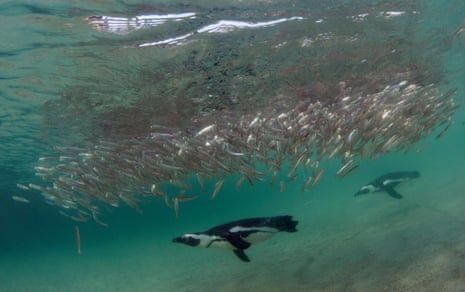
Approximately 60,000 African penguins starved to death between 2004 and 2011 off South Africa’s coast due to a severe collapse in sardine stocks, their primary food source, driven by environmental changes and exacerbated by overfishing.
Penguin population decline and sardine collapse
The African penguin population suffered a drastic decline, losing about 95% of its numbers within just eight years. This decline corresponds with a collapse in the sardine population—down to less than 25% of its peak abundance during the same period. Sardines constitute the main diet of these penguins, making their reduced availability devastating for penguin survival.
Overfishing compounded the crisis. In 2006, sardine exploitation reached a peak of 80%, intensifying the scarcity of this vital food source. The combination of natural environmental fluctuations and human fishing pressure severely depleted sardine biomass in critical foraging areas.
Vulnerability during molting season
African penguins face particular vulnerability during their molting season, when they shed old feathers and grow new ones. During this time, they cannot swim or forage effectively and rely heavily on sufficient food reserves. The collapse in sardine stocks coincided with this vulnerable period, contributing to mass starvation events.
Critical Endangerment and conservation urgency
In 2024, the African penguin was officially classified as Critically Endangered, underscoring the severity of the threat to the species’ survival. The mass starvation event and population collapse highlight the urgent need for conservation actions focused on food supply recovery.
Restoring sardine biomass in key foraging zones is essential for halting and reversing the penguin’s decline. Conservation strategies recommend reducing sardine fishing quotas when stocks fall below 25% of their maximum abundance. Continuous monitoring of both penguin populations and sardine stocks is critical to inform adaptive management measures.
Broader ecological significance
The African penguin’s plight signals more extensive environmental concerns in the marine ecosystem off South Africa’s coast. As a key component of the marine food web, the penguin’s decline may indicate cascading effects on biodiversity and ecosystem balance.
This event serves as a stark example of how ecosystem changes, combined with unsustainable fishing practices, can rapidly imperil a vulnerable species. Policymakers, conservationists, and the fishing industry face urgent challenges to align marine resource use with biodiversity protection to ensure long-term sustainability.
Addressing these issues will require coordinated efforts and evidence-based policies to safeguard both the African penguin and the health of the marine environment that supports it.