

London, December 01, 2025
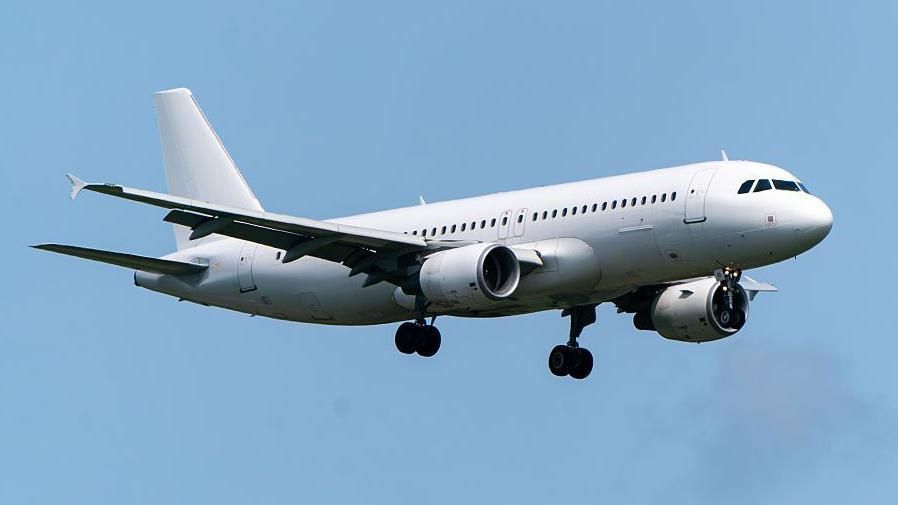
Airbus issued a safety warning in late November, leading to the grounding of multiple A320neo and A321neo aircraft worldwide due to potential engine defects in Pratt & Whitney PW1100G-JM engines. Airlines are progressively resuming flights after inspections and repairs amid ongoing regulatory oversight.
Key Developments
Airbus identified possible engine malfunctions that could cause in-flight shutdowns or thrust loss, prompting airlines globally—especially in Europe, Asia, and North America—to ground select A320neo and A321neo planes. Major carriers including Lufthansa and Air France halted hundreds of flights, significantly disrupting travel schedules.
Current Status
Following thorough inspections and mandated repairs, most affected aircraft have been cleared for service. Aviation regulators such as the European Union Aviation Safety Agency (EASA) and the U.S. Federal Aviation Administration (FAA) have updated safety protocols and approved revised inspection measures. Airlines are actively restoring normal operations, though residual delays and cancellations may occur in the short term.
Impact and Significance
The grounding affected tens of thousands of passengers who faced cancellations and challenges in rebooking. Airlines have incurred substantial financial impacts due to lost revenue, customer compensation, and operational restructuring. The incident underscores ongoing concerns regarding engine reliability and reinforces the aviation sector’s commitment to prioritizing safety through proactive measures.
Industry Response
Airbus and Pratt & Whitney are collaborating closely with airlines and regulatory bodies to accelerate inspection and repair efforts. Airlines have increased communication transparency and flexibility with passengers to mitigate inconvenience. Industry experts acknowledge that safety-driven groundings, despite their disruptive nature, are critical for maintaining high safety benchmarks in aviation.
Airlines continue to balance the imperative of operational recovery with uncompromising safety standards. Regulatory authorities will maintain oversight with potential updates based on emerging data. This event highlights the aviation industry’s dedication to safety and risk management, even when short-term disruptions prevail.