

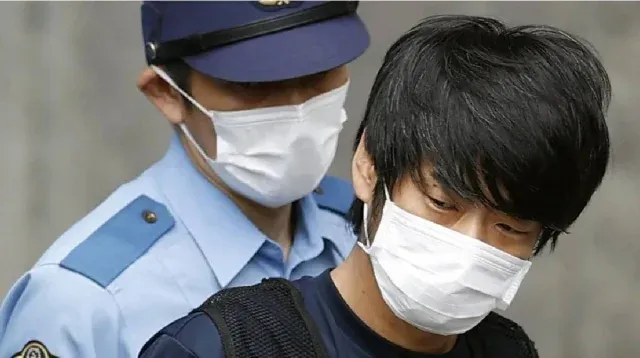
Nara, Japan, December 06, 2025
Tetsuya Yamagami, the man convicted of assassinating former Japanese Prime Minister Shinzo Abe, has publicly apologized to Abe’s family at his trial in the Nara District Court, expressing deep remorse for the tragedy he caused on December 4, 2025, while citing his motive linked to the Unification Church’s influence.
Yamagami’s Apology to Abe’s Family
During his first direct apology to the bereaved family at the Nara District Court, Yamagami conveyed profound sorrow to Abe’s widow, Akie Abe, and other family members. He acknowledged the lasting pain and three and a half years of suffering resulting from his actions. Despite his remorse, he stressed that he harbored no ill will toward Abe’s relatives and offered no excuses, emphasizing the gravity of his crime. Yamagami also referenced having endured personal loss within his own family, highlighting the depth of his regret.
Linking Motive to the Unification Church
Yamagami’s attack was driven by a vendetta against the Unification Church, a religious group whose political ties have sparked controversy in Japan. He blamed the church for the financial ruin his family faced after his mother made large donations. Yamagami believed that Abe’s close association with the church’s political activities implicated him directly in the perceived harm. The assassination occurred on July 8, 2022, using a homemade gun, just two days before a pivotal election, marking a shocking moment in modern Japanese politics.
Background on the Unification Church’s Influence
The Unification Church’s role in politics has been under increased scrutiny since the assassination. Yamagami’s mother remains a member of the church, and his family has publicly apologized to Abe’s widow and the church itself. The case has highlighted broader social concerns about the church’s political clout and the impact on “second-generation” followers—children affected by their parents’ membership and donations. Following the incident, there has been governmental action culminating in a legal order to dissolve the church, a development Yamagami welcomed as overdue social accountability.
Social and Political Repercussions
The assassination and subsequent trial have intensified public and governmental examination of the church’s influence over politics and society. It has sparked debate about the intersection of religion, political power, and personal tragedy in Japan. The event underscores the complex ways in which religious organizations can affect political landscapes and the personal lives of families caught in the crossfire.
The Yamagami case remains a defining episode in Japan’s contemporary history, elucidating the tensions between religious influence, political dynamics, and the consequences of individual grievances. As the nation continues to navigate the aftermath, the discourse surrounding transparency, regulation, and political ethics is expected to evolve, reflecting deeper societal calls for reform and justice.