

London, December 13, 2025
Australia has enacted the world’s first nationwide ban on social media use for children under 16, effective December 10, 2025, requiring platforms such as TikTok, Instagram, YouTube, and Facebook to block underage accounts to protect youth mental health and well-being.
Implementation and Scope
The Australian government mandates all major social media platforms operating domestically must take “reasonable steps” to verify users’ ages and block accounts belonging to children under 16. Platforms face fines up to AUD 49.5 million for noncompliance. The ban applies to apps including TikTok, Instagram, YouTube, Snapchat, Facebook, X, Reddit, Threads, Twitch, and Kick. Notably, services like WhatsApp, YouTube Kids, and gaming platforms are exempt from this law. Parental consent is not permitted as a workaround.
Youth Backlash and Circumvention Attempts
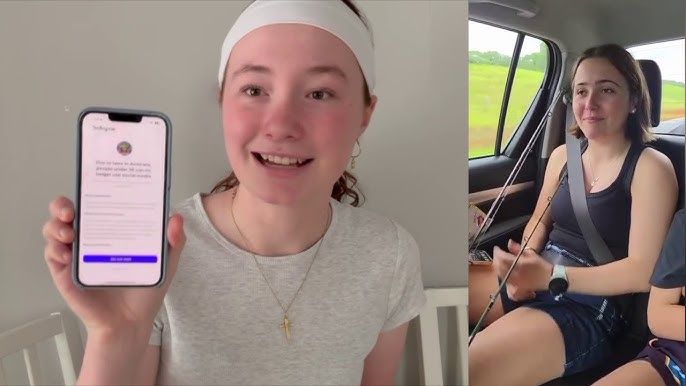
Since the law’s rollout, many Australian teenagers have expressed outrage, describing social media as essential for peer support, education, and connection, especially for remote communities and minority groups. Reports surfaced immediately of teens employing various workarounds to bypass age verification systems, signaling challenges to enforcement from the outset.
Government Rationale and Aims
Australian authorities justify the ban on concerns over harms linked to social media use, such as cyberbullying, addictive design patterns, disrupted sleep, and exposure to harmful content. Officials emphasize the policy’s intent to safeguard youth mental health and behavioral well-being by restricting access to potentially damaging online environments.
Global Context and Unique Position
Australia’s comprehensive under-16 ban is unprecedented globally, with no other country implementing such a sweeping restriction. While nations like France and Denmark have introduced milder age-related social media regulations, Australia’s approach is the most stringent, setting a potential benchmark for digital policy worldwide.
Criticism and Legal Challenges
The ban faces criticism over its potential unintended consequences, including limiting youths’ access to educational resources and peer networks and possibly undermining safer online standards. Moreover, the Digital Freedom Project has filed a High Court challenge stating the ban infringes on constitutional freedoms, highlighting ongoing legal and societal debate.
Enforcement and Future Outlook
The eSafety Commissioner oversees enforcement, and while platforms have confirmed the technical feasibility of age verification, the process demands continuous coordination and updates, with the list of affected platforms subject to revision. Researchers view Australia’s policy rollout as a “natural experiment” to study social media’s impact on youth mental health and behavior, which will likely generate valuable insights for future digital governance.
Australia’s pioneering ban offers a critical case study on balancing technology, youth rights, and societal welfare. The unfolding responses from teenagers, tech companies, and the courts will shape the global discourse on protecting young users in increasingly digitized societies.