

London, December 01, 2025
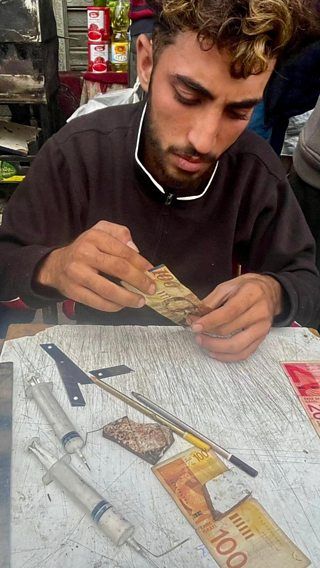
Individuals worldwide spend considerable time repairing torn or damaged banknotes due to practical necessities, cultural values, sentimental attachments, and collecting interests, despite official warnings against DIY restoration methods. This cautious effort reflects complex global attitudes toward currency use and preservation.
Reasons Behind Banknote Repairs
People often repair damaged currency to preserve its practical value, as many banks reject notes with significant damage or missing portions, rendering them unusable without restoration. In regions with limited banking infrastructure, especially remote or developing areas, this practice becomes a practical necessity where currency replacement options are scarce or inaccessible.
Beyond practicality, sentimental reasons drive individuals to painstakingly restore banknotes. Currency retained as souvenirs, gifts, or mementos often holds emotional significance, motivating people to maintain their physical condition. Additionally, collectors and numismatists view certain damaged notes as rare or historically valuable items, and attempt repairs with the intention of preserving or enhancing value—although expert consensus often discourages amateur restoration.
Cultural factors also contribute. In some societies, money is regarded with deep respect, and discarding or neglecting damaged currency can be seen as wasteful or unlucky. These cultural norms encourage meticulous care and refurbishment of even heavily worn banknotes.
Common Repair Techniques
The most frequent method involves carefully joining torn edges with diluted white glue or office adhesives, prized for their accessibility and low cost. Some resort to transparent or archival adhesive tapes for quick fixes, though such treatments may detract from a note’s appearance or usability. Collectors typically seek professional restoration services that employ acid-free, reversible materials to conserve banknotes without inflicting further damage.
Official Guidance and Risks
Most central banks, including those in the UK and the United States, advise against DIY repairs. They recommend submitting damaged or mutilated currency to official banking institutions for redemption or exchange under established programs. Improper repairs risk further harm—adhesives can stain or degrade banknote paper over time, potentially rendering the currency unusable. For collectors, unprofessional repairs may reduce collectible value.
Global Variations in Practice
Banknote repair is more prevalent in developing countries or regions with limited banking infrastructure, where access to replacement currency is constrained. In these contexts, individuals may invest hours repairing notes to maintain their economic utility. Conversely, in developed countries with robust banking systems, this practice is less common and primarily motivated by sentimental or collecting interests rather than necessity.
The ongoing persistence of banknote repair highlights the multifaceted value placed on currency—not merely as economic instruments but as cultural artifacts and emotional tokens. While authorities maintain caution against unregulated restoration, the global landscape reveals diverse attitudes that continue to shape how people engage with their money.