

London, December 01, 2025
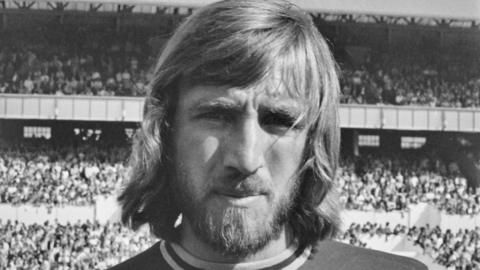
Billy Bonds remains one of English football’s most distinguished players never to secure a full senior cap for the England national team, despite an illustrious career at West Ham United from 1967 to 1988 marked by leadership and major domestic successes. His absence from the national squad during his playing years remains a unique and notable circumstance in football history.
Billy Bonds and the England Cap Paradox
Billy Bonds, primarily a defender and midfielder, made over 700 appearances for West Ham United, becoming an emblem of the club through leadership and tenacity. However, throughout his career between the late 1960s and the late 1980s, Bonds never appeared for the full England team, a fact that has intrigued and puzzled football followers and analysts.
Factors Behind the Lack of England Selection
Several key factors contributed to Bonds’ absence from England’s senior squad. Bonds’ peak spanned an era rich with exceptional English defensive and midfield talent, including figures such as Bobby Moore, Emlyn Hughes, and Ray Wilkins, who dominated national team selection. His versatility, while an asset at club level, placed him in direct competition across multiple positions, making it challenging to secure a stable role at the international level. Moreover, sporadic injuries during critical selection periods and the preferences of England managers at the time further limited his international opportunities.
Career Achievements and Club Legacy
At West Ham United, Bonds was instrumental in the club’s successes, notably winning the FA Cup twice in 1975 and 1980. He was repeatedly recognized as the club’s Player of the Year, reflecting consistent excellence and a high level of performance over two decades. His captaincy spanned more than ten years, underscoring his role as a leader and driving force within the team. Bonds is widely regarded as a club legend, respected for his loyalty and durability in a demanding sport.
Post-Retirement Contributions and Recognition
Following his retirement from playing, Bonds transitioned to management, leading West Ham United and later Southend United. His commitment to the sport extended beyond his playing days, influencing teams from the sidelines. His impact and status were formally acknowledged with his induction into the English Football Hall of Fame in 2005, affirming his place among the country’s football elite despite the absence of a full England cap.
Legacy and Insights on Uncapped Excellence
Billy Bonds’ story exemplifies the complexities of sports selection dynamics, where exceptional club performance does not always translate to international recognition. It highlights how timing, competition, and managerial decisions can collectively marginalize even world-class players. Bonds remains a benchmark in discussions of the finest players never to represent England at the full senior level, offering valuable perspective on talent evaluation and the nature of football legacy.
His career continues to resonate in football retrospectives and scholarly analysis of sports leadership, underscoring dedication and excellence within a competitive landscape where many factors shape a player’s ultimate recognition.