

London, December 09, 2025
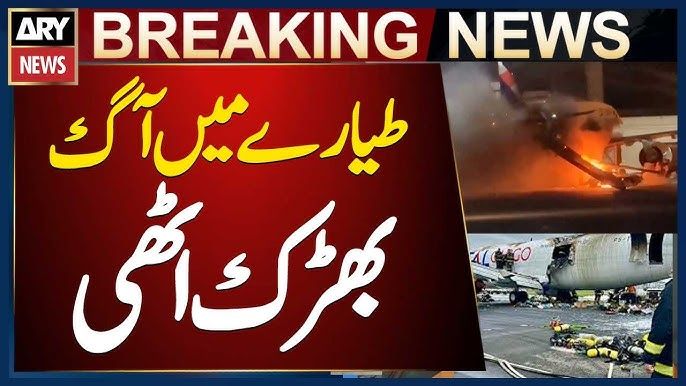
A plane caught fire onboard in Brazil, engulfed in flames and thick smoke, raising urgent concerns about aviation safety and emergency response effectiveness. The incident’s details, cause, and impact remain under investigation as authorities respond.
Incident Overview and Immediate Impact
A fire erupted aboard an aircraft in Brazil, rapidly producing dense smoke and visible flames that covered the plane. Though the exact city and airport were not specified, footage from the scene shows the severity of the blaze. Emergency services were deployed promptly to contain the fire and assist with evacuation efforts. Information on casualties or injuries has not yet been confirmed.
Aviation Safety and Operational Disruptions
This incident highlights critical questions about onboard fire prevention and aircraft safety protocols. Fires of such magnitude typically disrupt airport operations, causing temporary closures or delays. Authorities and the airline involved are assessing the situation to determine the origin of the fire, which could range from mechanical or electrical failure to other external factors.
Broader Implications for the Aviation Sector
The aviation industry may face significant repercussions as investigations proceed. Regulatory bodies, including Brazil’s National Civil Aviation Agency (ANAC), are expected to review safety measures and consider whether increased inspections or model groundings are necessary. Such incidents tend to affect public confidence in air travel safety and may prompt industry-wide reassessments of emergency preparedness.
Ongoing Investigation and Future Outlook
Official updates from Brazilian aviation authorities and the airline operator are awaited to clarify the number of passengers and crew involved, the extent of casualties or injuries, and evacuation outcomes. The findings regarding the fire’s cause will be pivotal in shaping future regulatory responses and operational adjustments at Brazilian airports.
As the situation develops, close attention will remain on emergency response effectiveness and the broader ramifications for air travel security standards in Brazil and beyond.