

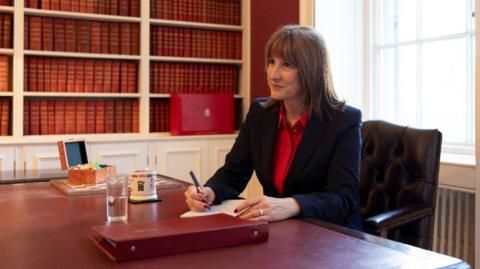
London, November 28, 2025
Rachel Reeves, Chancellor of the Exchequer, presented the Autumn Budget 2025 in London, focusing on fiscal prudence to stabilize the UK economy amid inflation and sluggish growth while seeking to reinforce Labour’s political credibility ahead of upcoming elections.
Economic Context
The UK economy faces persistent inflationary pressures and slow growth with a modest deficit. Reeves prioritized building a £22 billion fiscal buffer by extending tax increases, which analysts at the Institute for Fiscal Studies describe as creating a financial “headroom.” Her approach aims to demonstrate Labour’s commitment to economic stability despite widespread public skepticism.
Key Measures
A central and contentious element of the budget is the continued freeze of income tax thresholds. This effectively raises tax liabilities for a broad segment of taxpayers as wages increase with inflation, a policy viewed unfavorably by 56% of the public. Conversely, the budget reversed the two-child Universal Credit benefit cap, projected by the Office for Budget Responsibility to boost payments to 560,000 families by an average of £5,310 annually by 2029/30.
Other popular policies include reducing environmental levies on energy bills, which will save consumers approximately £150 annually, raising the minimum wage, and cutting business rates for retail and hospitality sectors. However, the introduction of a salary sacrifice pension cap and a mansion tax on homes valued over £2 million have drawn criticism, with only 21% supporting the pension cap.
Public and Political Reaction
Public confidence in Reeves’s economic stewardship remains low. Only 11% of Britons approve of her performance as chancellor, and just 15% have faith in the government’s handling of the economy. Most citizens anticipate a worsening economic situation over the next year. The budget’s measures have sparked debate over Labour’s manifesto promises, particularly surrounding whether freezing tax thresholds contravenes the pledge not to raise income tax rates, even if technically the rates remain unchanged.
Outlook
While the budget may provide short-term fiscal relief and secure Labour some political breathing space, the long-term political cost could be high. Many voters feel the measures exacerbate the squeeze on living standards through increased tax burdens amidst stagnant real wages. Reeves’s approval ratings have dropped to historic lows comparable to George Osborne’s “Omnishambles” Budget in 2012, highlighting the delicate balance Labour must maintain between economic credibility and public support in the lead-up to future elections.
The success of this fiscal strategy will depend largely on public perception and whether these policies translate into tangible improvements in household incomes and economic growth over time.