

London, December 08, 2025
Japan is confronting a severe dementia crisis fueled by its rapidly aging population, with projections indicating that by 2025 one in five individuals aged 65 and older will have dementia. To mitigate the pressure on families and healthcare systems, the country is increasingly relying on advanced technologies such as GPS tracking, AI diagnostics, and robotics.
Scale and Impact of the Dementia Crisis in Japan
Japan faces one of the most acute dementia epidemics worldwide, with estimates suggesting that by 2025, 20% of its seniors over 65 will be affected. This ratio is expected to temper slightly to one in seven by 2040 but still represents a significant public health challenge. The crisis compounds the challenges of a shrinking workforce and limited caregiving resources, intensifying strain on families and social services nationwide.
Technological Innovations to Address Safety and Detection
To combat the risks of wandering and ensure timely assistance, Japan has implemented nationwide GPS-based tracking systems. These systems utilize wearable tags that alert caregivers and local responders when dementia patients leave predefined safe areas, integrating community networks including businesses and local authorities for rapid recovery.
Concurrently, Fujitsu and other tech companies are deploying AI-driven tools such as aiGait, which analyze patients’ posture and gait to identify early signs of dementia during routine medical exams. Early diagnosis facilitates prompt interventions aimed at slowing disease progression and preserving patient independence.
Robotics and Integrated Care Approaches
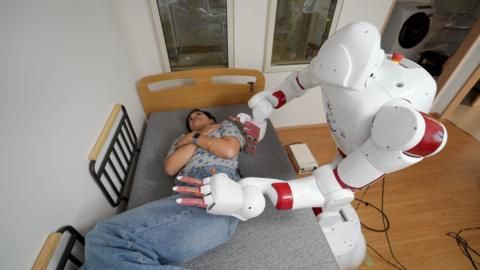
In addition to detection and safety technologies, Japan is advancing humanoid robotic assistants designed to aid dementia patients directly. While still under development, these robots promise to support daily care activities, although challenges remain in developing sophisticated sensorimotor capabilities and ensuring safe human–robot interaction.
Complementing these technological measures, Japan is establishing an Integrated Care System by 2025. This community-based framework integrates healthcare, nursing, prevention, housing, and livelihood support tailored to dementia patients, enabling them to remain in familiar environments while receiving comprehensive care.
Benefits and Ongoing Challenges
The integration of GPS tracking, AI applications, robotics, and community care systems aims to alleviate the caregiving burden, enhance patient safety, and enable earlier medical intervention. However, limitations persist, particularly regarding the full operational readiness and cost-effectiveness of robotic solutions.
Japan’s unique demographic circumstances—with an aging population and diminishing caregiver workforce—exacerbate the urgency of deploying effective technological solutions. The country’s strategic focus on innovation represents a critical effort to manage a growing public health crisis that has profound social and economic implications.
The ongoing adoption and refinement of these technologies will be crucial as Japan seeks sustainable models to support its aging society and set precedents for other nations confronting similar demographic shifts.